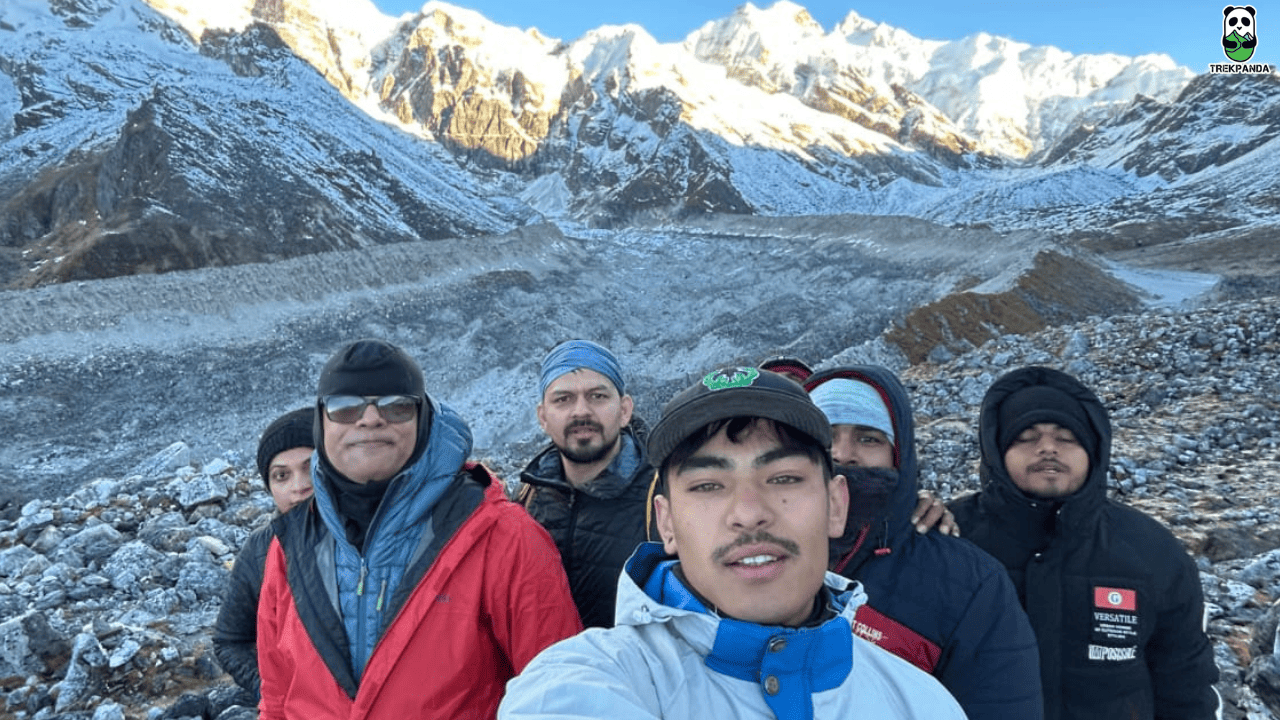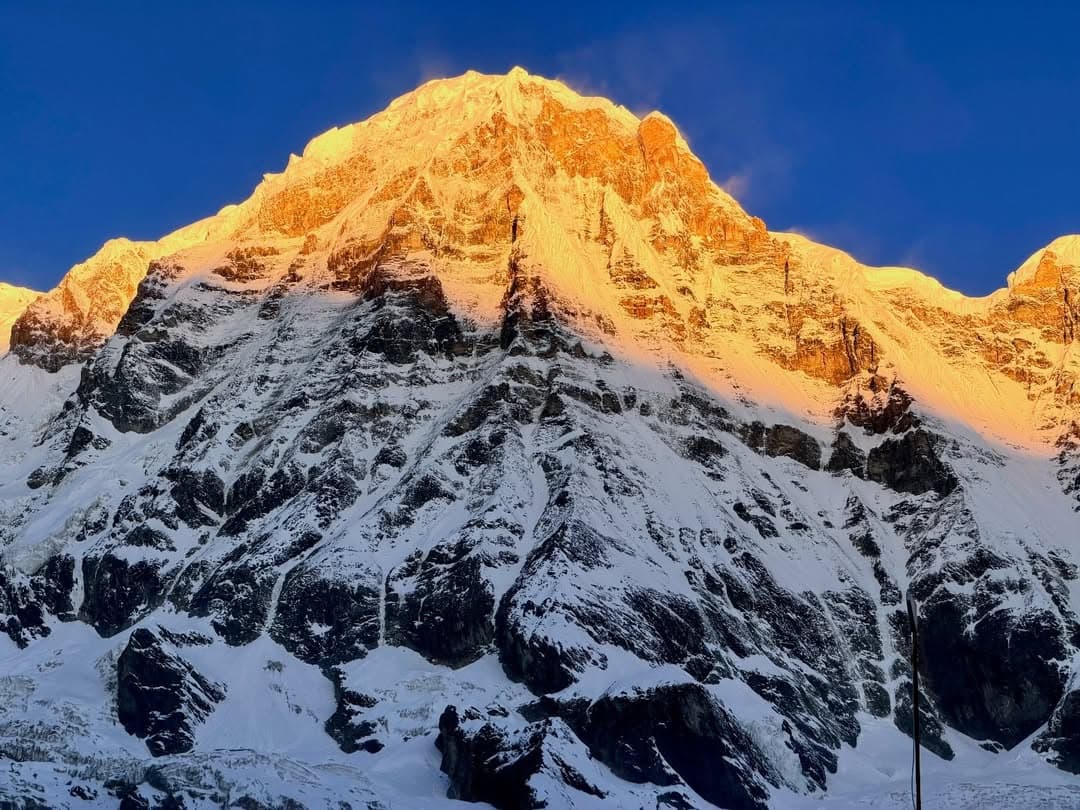
You've seen the pictures. That magical sunrise bouncing off an immaculate wall of snow and stone. The majestic fish tail of Machhapuchhre standing unapproachable behind. But what most people won't consider before arriving in Kathmandu: Are the pictures worth it? Is Annapurna Base Camp truly one of Nepal's best treks? In my ten years of experience, I have done this trek twice in springtime, thrice in autumn, and twice during the unforgiving winter just to see if it still delivered.
The answer: Yes it does. Just not how Instagram might tell you. It’s not a comfortable hike by any means. The air gets thinner quickly, the trail is difficult, and somewhere around the half-way mark you will likely be cursing the lack of warm beaches in Goa.
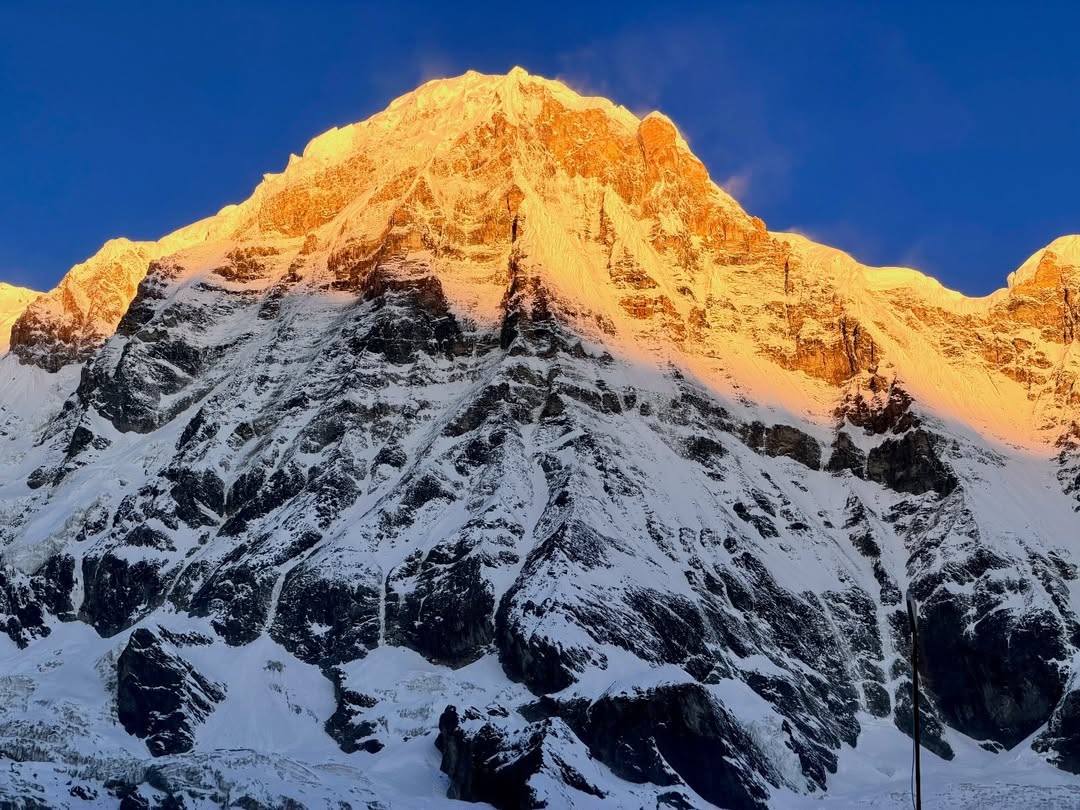
And then, on the sixth day you wake up at 4:30 AM. You zip out of bed. You step outside into the early morning mist. And suddenly you're in the middle of a masterpiece – an entire Annapurna Sanctuary glowed in golden light.That's why people come back. Let me show you everything you need to know. No nonsense & Not corporate crap
What Makes an Annapurna Base Camp Trek Special?
The first thing that you will not read in many trekking blogs for budget travel is that the Annapurna Base Camp trek route isn't the highest. It isn't the most difficult either. However, it may turn out to be the most impressive one.
You will walk through tropical forest with ferns and bamboo plantations where trees grow to a tremendous height. In just 6 days, you will find yourself surrounded by mountains towering over 7,000-8,000 meters tall in a glacial amphitheater.
Most trekking blogs will tell you about Gurung culture but do not actually mention it. Here, you can observe genuine Gurung settlements. This is your chance to meet local people who live the same way their ancestors did centuries ago.
Annapurna sanctuary itself consists of a valley carved by the glaciers. There is no road here, and no villages are situated there. All you can hear there is the sounds of nature and the silence which comes only at an altitude of over 4,000 meters. Once the weather is good enough, it will be hard to believe how close mountains seem to you. Annapurna South. Hiunchuli. Even Annapurna I is seen here. Different? Yes, definitely. Better than an EBC trek? Maybe Yes, Maybe No.
Quick Facts
Country:- Nepal
Region:- Gandaki Province / Annapurna Conservation Area
Trek Duration:- 7–12 days (standard is 9–10 days)
Maximum Altitude :- 4,130 m (13,549 ft) at Annapurna Base Camp
Trek Distance:- Approx. 65–75 km round trip
Difficulty:- Moderate
Permits Required:- ACAP Permit + TIMS Card
Mobile Network:- Ncell / NTC works intermittently until Deurali
Best Season:- March–May & September–November
Why Do Annapurna Base Camp Over Other Treks?
That’s always the million-dollar question: "Why not go to Mardi Himal or Poon Hill?"
That’s true enough. Both treks are less crowded. Poon Hill trek is faster and closer to Kathmandu. But only Annapurna Base Camp allows for a fully immersive experience of the mountain amphitheater.
There’s really no comparison when it comes to a sunrise on ABC. It isn’t about the sun being special. The architecture of the valley makes it unique. You'll watch as the morning light strikes Annapurna South at 6:00 AM as the western ridges remain shadowed. It is truly the stuff of postcards.
You won't be able to miss Machhapuchhre on any leg of your journey. In fact, climbing its peaks was outlawed by the Nepali government decades ago. There's something beautiful about looking up at a mountain that remains untouched by human hands.
Tea houses on Annapurna Base Camp have made huge strides since the early part of the decade. Insulated walls. Hot showers using solar energy. Even fresh-baked apple pie. Of course, the facilities on Annapurna Base Camp itself aren't great—there are dorm rooms and very few facilities. But the ones at Chhomrong and Sinuwa have improved tremendously.
And then there's the mountain amphitheater. No picture ever did it justice. Sitting in a natural bowl of mountains is awe-inspiring. Almost like stepping back in time.
Detailed Day-by-Day Annapurna Base Camp Itinerary
Let me give you the classic 10-day itinerary that works for 90% of trekkers. I’ve tested this route with beginners, families, and 60-year-old first-timers
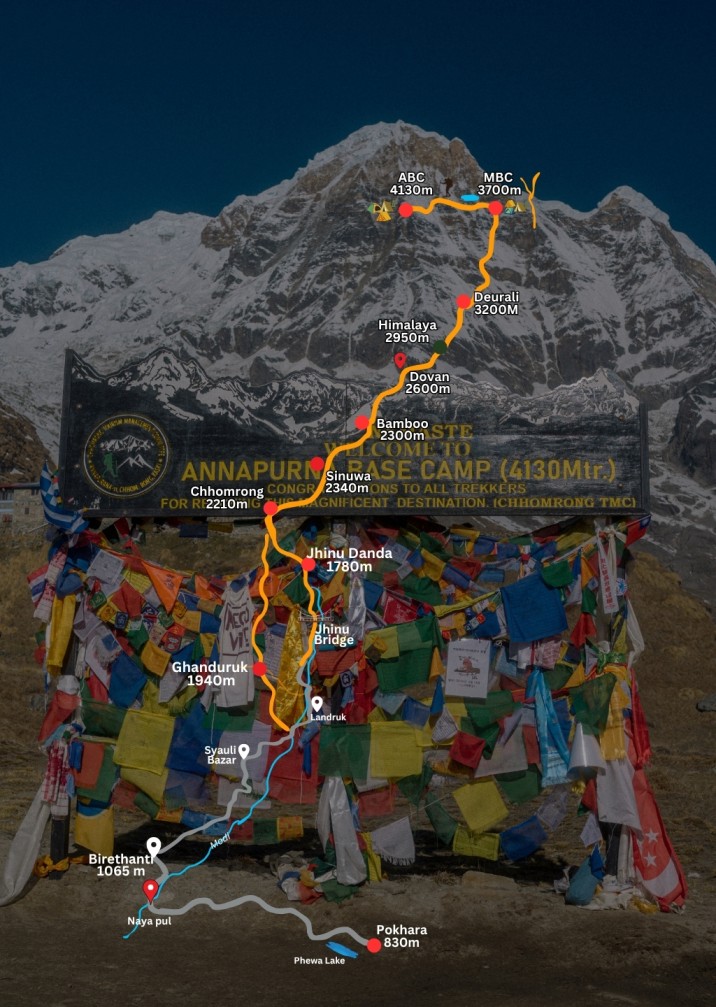
Day 1: Kathmandu to Pokhara: A 25-minute flight or 7-hour drive. Pokhara is your staging ground.
Day 2: Drive to Nayapul / Trek to Jhinu Danda: The trek begins. Warm-up walking through villages. 4-5 hours.
Day 3: Jhinu to Bamboo: Crossing the famous Chhomrong stairs—the true test of your knees. 6 hours.
Day 4: Bamboo to Deurali: The trail climbs into the narrow Modi Khola valley. The air gets cooler. 6-7 hours.
Day 5: Deurali to Annapurna Base Camp: A steady push past Machhapuchhre Base Camp (MBC). The valley opens up into the Sanctuary. 5-6 hours.
Day 6: ABC to Bamboo: Waking up for sunrise at the base camp, then descending. 7-8 hours.
Day 7: Bamboo to Jhinu/Hot Springs: Soaking tired muscles in the natural hot springs. 5-6 hours.
Day 8: Trek to Nayapul and drive to Pokhara: The final stretch of descent. 5 hours. Day 10: Pokhara to Kathmandu - A 25-minute flight or 7-hour drive
ABC Difficulty: A Truthful Review
Forget all the marketing nonsense. ABC difficulty level is moderate. Neither too hard, nor too easy. Just...not a stroll in the park. Fitness level: Be prepared to walk from 6 to 7 hours a day carrying a 6 to 8 kg backpack. If you can do 15 km of hiking on hills without breaking into tears, go for ABC.Suitability for beginners: Yes, but don’t cheat yourself. I've met people who had never hiked before completing ABC. On the other hand, I've also met well-trained marathon runners who gave up after the third day because they simply couldn't handle the stairs. Mindset matters a lot.
Average daily trekking time: 4-7 hours. Never more than 8. ABC trail is rather short. It’s just...consistent.
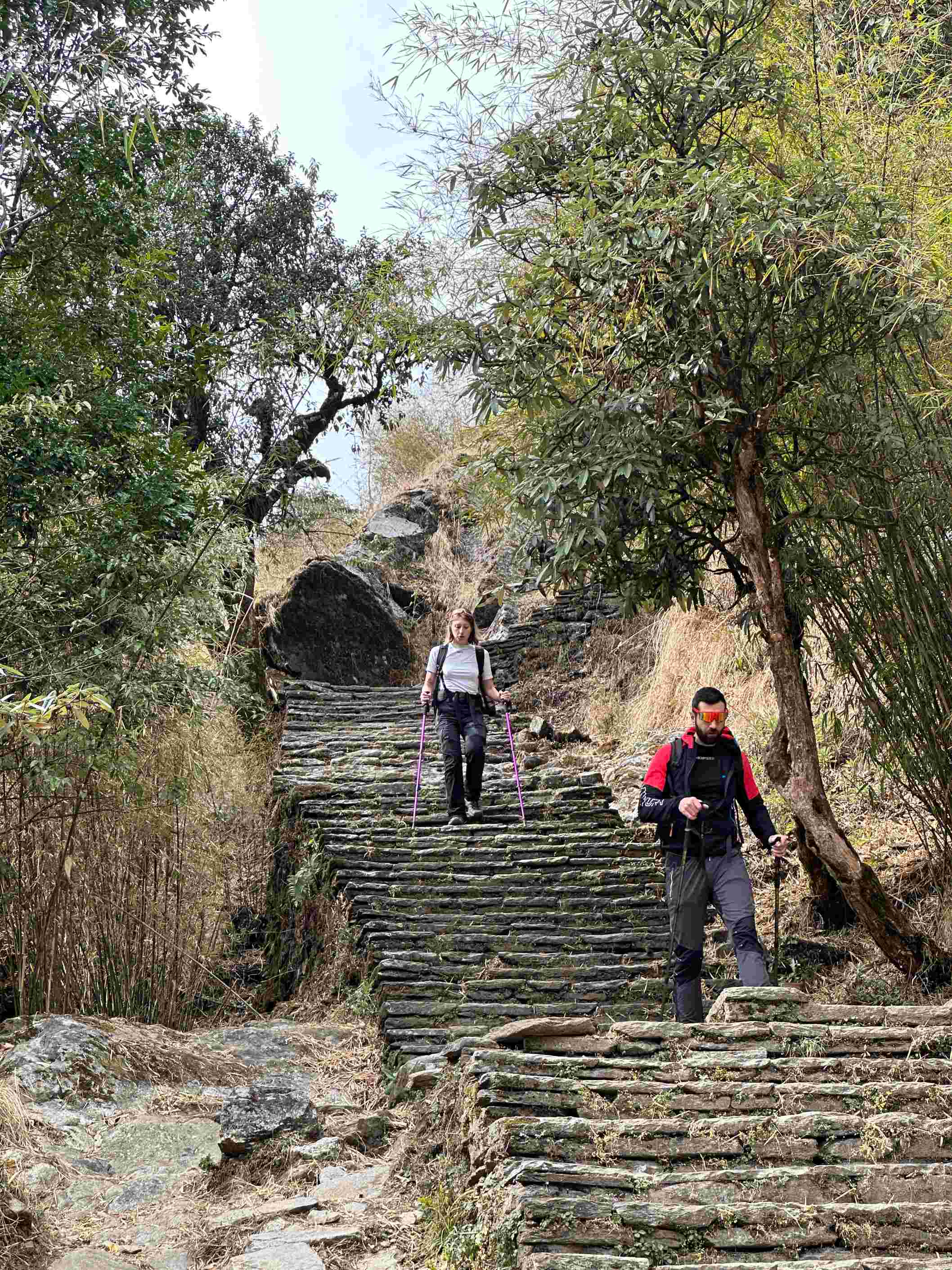
The stair part of the trek: From Chhomrong to Sinuwa – worst part of the trek, with more than 3,000 stone steps to climb. Most are in poor condition, and some are slippery. So take your time. Use walking poles. And don’t try to beat the locals in a race.
ABC altitude facts: ABC elevation is 4,130 m. Lower than that of Everest Base Camp (5,364 m) and Thorong La (5,416 m). However, Acute Mountain Sickness is still a possibility. Possible symptoms include headache, nausea, and mild vertigo. If they persist, head down.Who shouldn't undertake this trek?: People with severe heart and/or breathing issues, anyone having had a knee operation recently. Or those who absolutely loathe squat toilets.
Cost Breakdown: Actual Budget for Annapurna Base Camp (for Indian trekkers)
DIY (Independent) – Approximately ₹16,000-24,000 per person
Permits: ACAP (1,000 NPR for SAARC / Indian trekkers ≈ ₹650). Currently no TIMS is needed for the Annapurna region.
Transport: Kathmandu-Pokhara-trailhead-return via shared bus/jeep: ~₹2,500-3,500 per person.
Lodging: ₹400-800 per night x 8 nights at a basic teahouse level.
Meals: ₹900-1,500 per day (daal bhat, noodles, eggs, tea) x 8 days.
Guide/Porter: None – you carry your own gear.
Guided (Budget Group) – Approximately ₹40,000-60,000 per person
Permits included: ACAP Permit, Guide (licensed guide with a valid TIMS card).
Transport included: Shared from Pokhara.
Lodgings included: Budget teahouse accommodations.
Meals included: Most meals. Usually 8-12 people per group on an 8-10 day itinerary.
Guided (Premium/Private) – Approximately ₹60,000-70,000 per person
Private licensed guide plus porter(s).
Better teahouses and more comfortable accommodations.
Flexible itinerary. Sometimes includes transfers and additional services like hotels etc.
Hidden costs to watch out for
• Hot showers: ₹200-500 each at higher lodges.
• Phone charging: ₹150-300 per hour as altitude increases.
• Wi Fi: ₹200-400 per day (usually poor connectivity).
• Battery backup: Bring extra power bank in case you do not have one
• Tips: 10-15% of the total cost of your trekking should be allocated for the guide porter crew.
When to visit Annapurna Base Camp Trek
Spring (March-May)
• Pro: Rhododendrons blooming in full bloom. Weather stable. Crowd moderate.
• Con: Lower trails dusty. Haze towards end of April.
• Photos: Ideal to photograph flowers with mountains in the background.
Summer/Monsoon (June-August)
• Pro: Lush green landscape. Lesser crowd. Accommodation is cheap.
• Con: Leeches, slippery trails, cloudy most days.
• Verdict: Only advisable if you are strapped for cash or love mud.
Autumn (September-November)
• Pro: Clear skies. Ideal temperature. Trekking peak period.
• Con: Teahouses crowded. More expensive. Book in advance.
• Photos: Ideal time for photographs with clean mountain scenery and sunrise.
Winter (December-February)
• Pro: Snow at higher elevations. Quiet trails. White landscapes.
• Con: Possible closure of the trail at ABC if snow is too deep. Some lodges close during winter.
• Verdict: For those who love winters and have all appropriate equipment. Not recommended for inexperienced trekkers.
ABC Trail Lodging and Food
Set lower expectations.
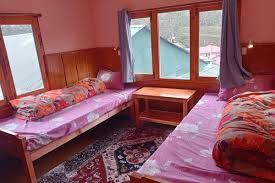
The Tea houses are rudimentary in design. Wooden construction. Basic sleeping arrangements. Bathroom facilities include communal bathrooms. The further you go (Deurali, ABC) the more you get dormitory style lodging and squat toilets. That is all.
Electricity Charging: This will cost you money. The rate will range from $2-$5 per hour. Ensure you are carrying an extra capacity power bank with you.
WiFi: There is WiFi available, but expect it to be slow and erratic. Purchase a SIM card from Nepal Telecom in Kathmandu.
Bathroom Facilities: Squat toilets till Pokhara. Bring plenty of toilet paper and disinfectant gel.
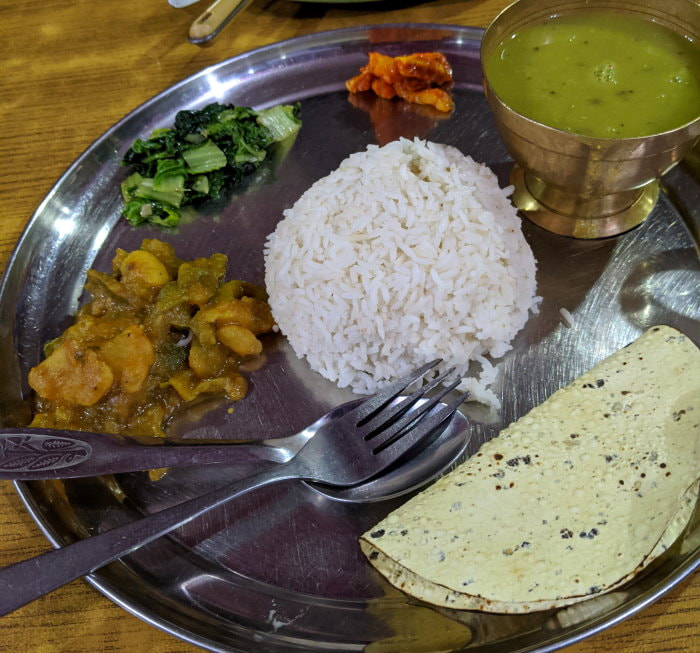
Food: Daal Bhat is king here. Unlimited portions and provides high energy and easy digestion. Noodles, fried rice, eggs, toast, soup mixtures, and even apple pie at selected lodges.
Water: Bottled water unnecessary. Carry a filter bottle or purification tablets. Treated water in taps is rare.
List of items for Annapurna Base Camp Trek
Pack light. Maximum 8-9kg baggage.
Clothing: Wicking cotton shirts (2-3), Merino wool or other thermal base layers (one each top/bottom), Flannel fleece jacket, Denim jacket for cold mornings at ABC, Down jacket for the cold evening/night at ABC, Wind proof jacket, Trekking pants (2 pair non-denims), Warm headgear, Hats, Gloves, Sun hats, Sunglasses and reamining item not mention above you can carry for your own.
Gear:
• Trekking boots (broken in)
• Trekking poles (essential for knees)
• Trekking backpack 30-40 liters capacity
• Cold rating sleeping bag -5°C to -10°C comfort rating.
• Head lamp
• Extra batteries
Medicines and first aid kit
• Diamox (for altitude sickness. Check with doctor before use)
• Paracetamol/Ibuprofen
• Oral rehydration salts
• Antiseptic cream
• Blister patches
• Iodine tablets
Electronics:
• Power bank
• Smart Phone with charger
• Camera (optional as camera phones today have very decent features)
Common Mistakes First-Time ABC Trekkers Make
I have seen intelligent individuals commit dump errors. Please do not be one of those.
Mistake 1: Starting off with new boots on the trek. Blisters after two days. The whole trek is ruined. Break them in for a minimum of two weeks.
Mistake 2: Walking too fast on day one. You’re excited. I understand. But burn your energy early and you’ll crawl into Chhomrong. Slow and steady.
Mistake 3: Under drinking water. Your body needs 3-4 liters of water a day due to high altitude. Most travelers only take in half as much and suffer from headaches because of this.
Mistake 4: Ignoring symptoms of Altitude Mountain Sickness. “I am having a headache.” No. Descend if it gets worse.
Mistake 5: Packing too much unnecessary gear. Three jackets? No thanks. You don’t need a laptop. Leave it in Pokhara.
Mistake 6: No travel insurance with helicopter evacuation. One bad fall or severe AMS and you’re looking at a $5,000 rescue bill. Get insured.
The Independent Trek vs Guided Trek
This is where the road diverges.
Independent trekking allows flexibility in eating, walking at your own speed, and no strict timetable. You'll also pay less, around ₹16,000–24,000 altogether, for this type of adventure, but you'll have to organize permits, book teahouses, and plan the route on your own. Since the ABC trail is well-marked, there shouldn't be any problem in finding your way through. However, since there are only about 250 beds across the trail, it's best to have them booked before 3:00 PM. Otherwise, you may find yourself sleeping in the common dining area.
With guided trekking, things become more expensive, yet easier. Your guide will take care of everything from securing permits and booking teahouses to watching out for signs of altitude sickness. Plus, you'll benefit from the experience of your guide and be able to listen to stories of local people. Ever wonder what the name of a certain mountain is ? Ask your guide for details.
For those who like structure with their treks, organized permits, locals, and advanced organization, without the stress of having to look for teahouses in the last minute.
My personal opinion: Guided for the first Himalayan trek, independent for the second one.
Frequently Asked Questions
1) Is Annapurna Base Camp trek easy for beginners?
Yes, depending on training. Four-six weeks' training on stairs and hills recommended.
2) Is a guide required for ABC trek?
Not required. But it is highly recommended for added safety and local insights.
3) Which is easier, ABC trek or EBC trek?
ABC is relatively easy. Easier trek, lower altitude, shorter duration, less freezing temperature.
4) Does ABC have snow?
December and January: definitely. Light snowfalls in March and November.
5) Permits needed for ABC trek?
ACAP permit (Annapurna Conservation Area) and TIMS card. Apply in Kathmandu or Pokhara.
6) How cold is Annapurna Base Camp in winter?
Temperatures go down to -5°C to -10°C in winter. For October/November, temperatures can drop to 0°C to -5°C at nights.
7) How many days do I need for ABC?
Five days physically possible. Better to take seven to ten days for an enjoyable trek.
8) Are trekking poles necessary for ABC?
I highly recommend very much. It will save your knees while descending from ABC.
9) Can we use phones in ABC trail?
Yes, until you reach Chhomrong. From there, signals are available but intermittently. Recommended mobile operator Ncell over NTC.
10) What is the best month for ABC trek?
October-November for sunny weather. March-April for flowers and warmer daytime temperatures.
11) Can we recharge our phone in tea houses?
Yes, for money ($2-$5 per hour). Using power bank reduces cost.
12) Is Annapurna Base Camp trek worth?
For most people: yes. Just consider how beautiful the sunrise is from Sanctuary.