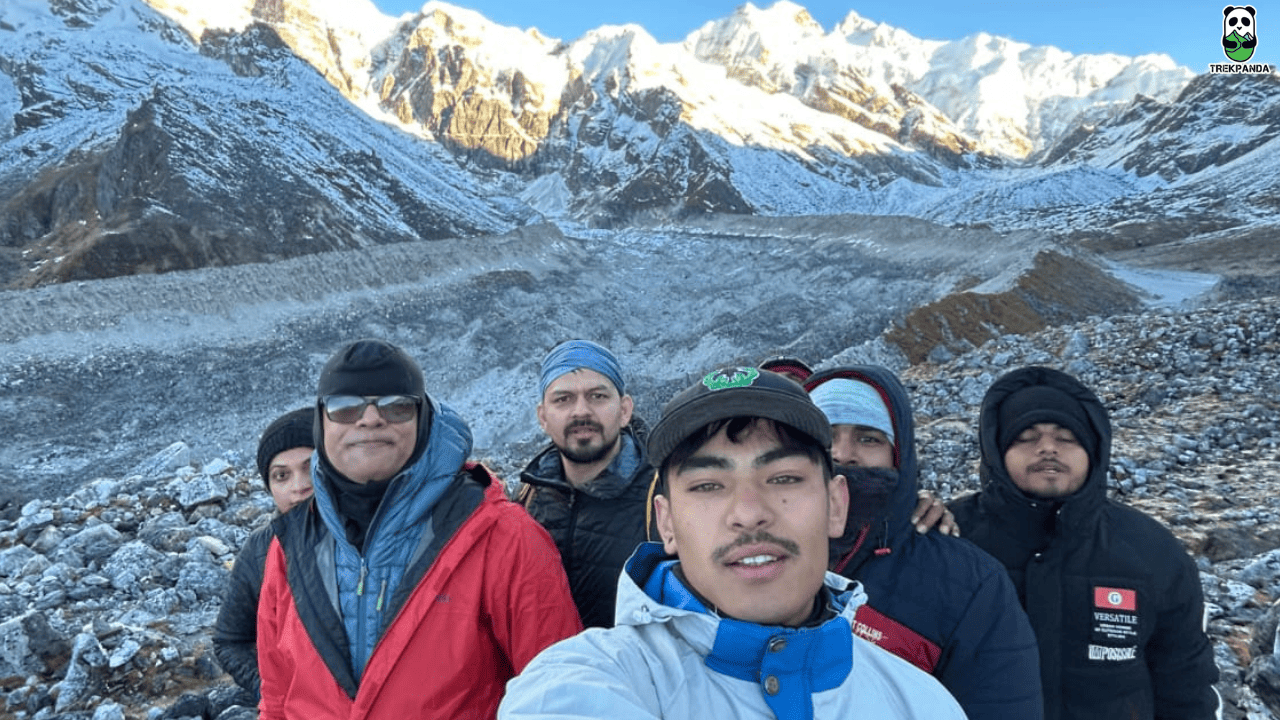
You aren't the only one who has dreamed of standing in front of the gorgeous Kedarnath Temple, with snow-covered peaks all around and the peaceful chanting of pilgrims. But first, you need to know when the best time to go to Kedarnath is before you put on your boots and buy your tickets.
Kedarnath is located in Uttarakhand's Rudraprayag district and is around 11,755 feet above sea level. The Mandakini River, which comes from the Chorabari Glacier, is close by. It is one of the Char Dham and Panch Kedar pilgrimage sites that honour Lord Shiva. It is one of the 12 Jyotirlingas and is believed that the original temple was built by the Pandavas. However, the present structure was restored by Adi Shankaracharya in the 8th century. Lord Shiva is worshipped here as the "Lord of Kedar Khand", and it is said that his divine presence protects the valley.
In this guide, we will walk you through the best time to visit Kedarnath, a season-wise breakdown, and temple timings, so that you can plan your yatra smoothly and meaningfully.
Summer (April to June): The Ideal Time for Darshan
Without a doubt, summer is the best time to visit Kedarnath. The temple usually opens for Akshaya Tritiya in late April or early May and stays open until Diwali. Many trekkers and pilgrims come during this time.
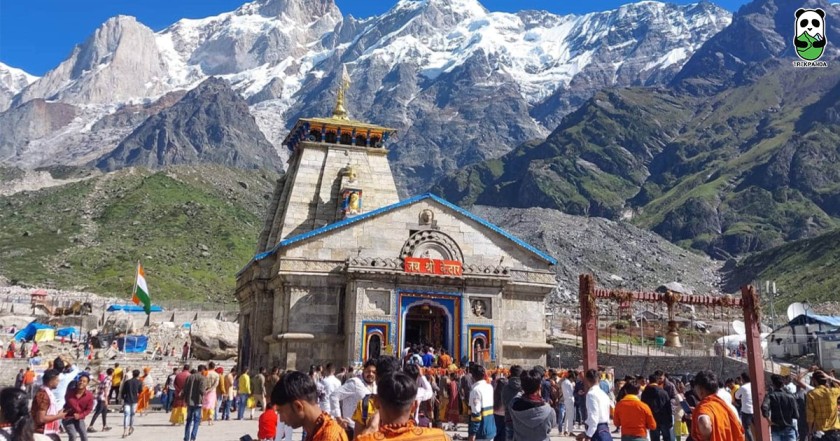
Why summer is the best time to visit Kedarnath
- The weather is good for trekking and darshan because the temperatures are between 5°C and 18°C.
- When the skies are clear, you'll be able to see the Garhwal Himalayas, including Kedar Dome and Kedarnath Peak, in all their glory.
- Open Trails: All trekking trails are open and safe, including the 16-kilometre path that goes from Gaurikund to Kedarnath.
- Aarti ceremonies and full rites are done every day at the temple.
Travel Tip: To avoid problems with the monsoon and the busy June holidays, try to go in May or early June.
Monsoon (July to Mid-September): Not Recommended, But Some Still Venture
The temple is still open during the monsoon season, but it's not the best time to go to Kedarnath because it rains a lot and landslides happen a lot.
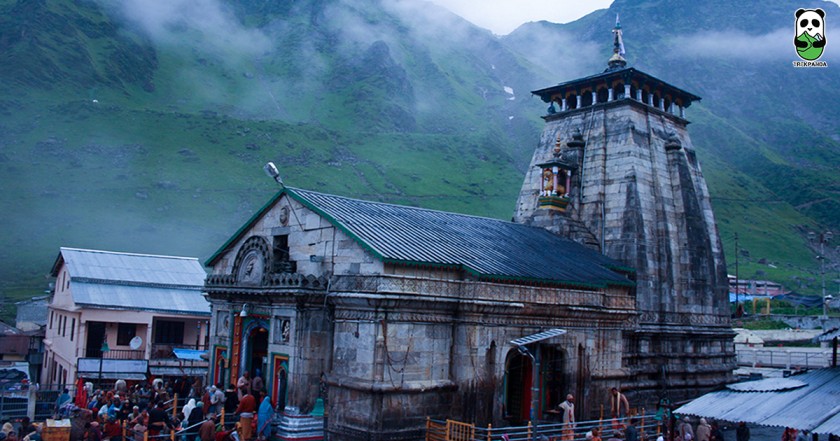
What to Expect in Visiting Kedarnath in Monsoon?
- Weather Hazards: Slippery trails, fog, and reduced visibility.
- Landslides: The route from Sonprayag to Gaurikund and the 16-km trek can be blocked without warning.
- Less Crowd: If you are an experienced trekker or prefer quiet spiritual time, mid-September (post-monsoon) can offer some solace.
Travel Tip: Don't go in July or August unless you're ready for bad weather and closed roads.
Autumn (from mid-September to the end of October): The Calm After the Storm
This is my favourite time of year to visit Kedarnath, and many people think it's the best time to go after summer.
Why Should You Go to Kedarnath in the Autumn?
- Clear Skies: After the monsoon, the air is fresh, the trails are clean, and the skies are clear.
- Golden Landscape: The forest and alpine meadows around it turn golden-orange.
- Fewer tourists mean a quieter pilgrimage.
Travel Tip: Go before the middle of October, because the temple usually closes for the winter by the end of the month, depending on when Diwali falls.
Winter (November to mid-April): The temple is closed, but spirituality goes on
In the winter, Kedarnath gets a lot of snow, making it hard to get to. The temple is closed, and for the next six months, the god will live at Omkareshwar Temple in Ukhimath.
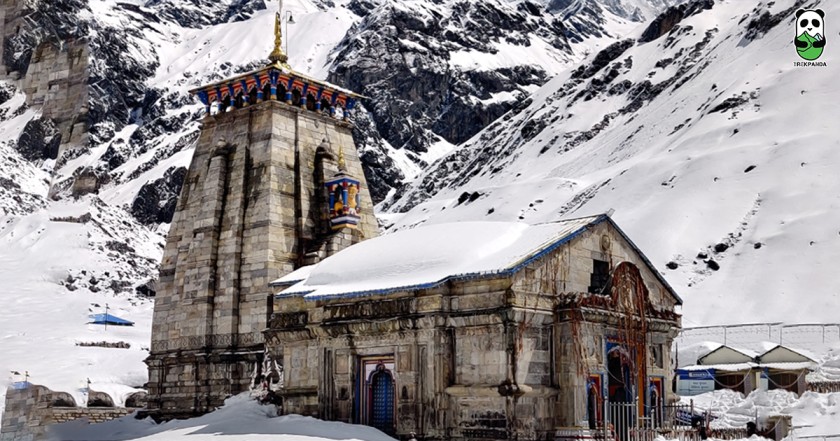
What do you need to know?
- No Road Access: All of Kedarnath is covered in snow.
- Ukhimath is another place where devotees can pray.
- Extreme Weather: The temperature drops below -10°C.
Spiritual Insight: A lot of people still meditate from a distance or go to Omkareshwar during this time, even though they can't get there.