Meghalaya, the ‘Abode of Clouds’, one of the wettest places on Earth, is famous for its misty hills, green valleys, and waterfalls that are especially beautiful during the monsoon. Located in the North Eastern Himalayas, this state shares its border with Assam and Bangladesh to the north and east and south and west, respectively.
Meghalaya is blessed with diverse climates, which attract tourists all year round. However, the best time to visit Meghalaya largely depends on what you are looking for. Whether you want to enjoy the cool weather, chase waterfalls when they are in full swing, experience the monsoons, trek hills or mountains or explore the off-season time away from the crowds.
Here is a detailed guide on Meghalaya's best time to visit, season-wise details, tourist places to visit, famous food and how many days you should spend.
Season-Wise Details on Meghalaya’s Best Time to Visit
If you are looking for the best time to visit Meghalaya, the months from October to February are ideal - with cool, pleasant weather, clear blue skies, and barely any rain. But truth be told, Meghalaya is a destination that shines all year round. Whether it is walking through the misty Khasi Hills or taking a boat ride on the glass-clear waters of the Dawki River, every season brings its own kind of magic.
Meghalaya in Summer (From April to June)
With temperatures ranging from 16°C to 31°C, summer is no doubt Meghalaya’s best time to visit. It offers bright skies, rolling greenery, and a rich buzz of local culture in the air.
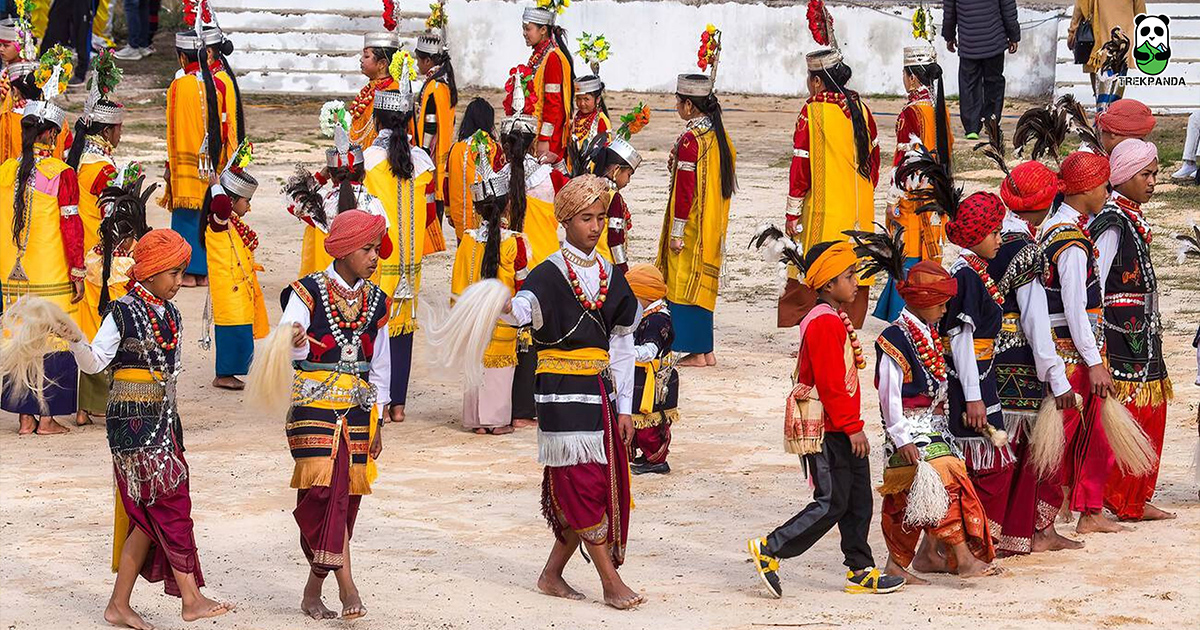
Besides, it is the time when Meghalaya feels most alive, with festivals adding colour and rhythm to its landscape. One of the most cherished celebrations during summer is ‘Shad Suk Mynsiem’, often called the ‘Dance of Contentment’. Held in April, this Khasi festival is a beautiful expression of gratitude, community, and tradition. The Khasi people come together in traditional attire, dancing to the deep beats of drums and the sharp, almost haunting notes of the tangmuri, the ‘queen of instruments’.
Meghalaya in Monsoon (From July to September)
During monsoon, temperatures in Meghalaya range between 24°C and 33°C, with heavy rainfall, especially across the Khasi and Jaintia hills. It turns this state into a misty green wonderland, and it is the best time to visit Meghalaya.
However, the monsoon season in Meghalaya is spiritually and culturally vibrant. One of the biggest festivals celebrated during this time is ‘Behdienkhlam’, usually held in July by the Pnar tribe in the Jaintia Hills. The name translates to ‘chasing away the plague’ — traditionally a ritual to drive out evil and diseases like cholera. The people gather in vibrant groups, dancing, singing, and cooking festive meals. Wooden logs are ceremoniously carried and immersed in muddy pools, accompanied by music and joy.

Meghalaya in Autumn (From October to November)
Autumn in Meghalaya sees mild and pleasant weather, with temperatures ranging between 22°C and 29°C. The air is crisp, the sky clearer, and the landscape still remains lush and vibrant.
One of the most magical sights during this time is the blooming of cherry blossom trees across towns and hillsides. With such captivating views and festival vibes in the air, autumn truly stands out as Meghalaya’s best time to visit.
Besides, the biggest celebration during this time is the ‘Shillong Autumn Festival’, typically held in October. This event showcases the vibrant culture of the state and attracts visitors from all over India. You can expect food and wine festivals, musical performances, fashion shows, and flower exhibitions - all set against the backdrop of cherry blossom blooms and cool hill-town breezes.
Meghalaya in Winter (From December to February)
With air temperatures ranging between 4°C and 16°C, winter in Meghalaya brings a delightful chill. The days are pleasantly sunny, letting you explore without feeling the harsh cold. But as night falls, the breeze picks up and temperatures drop. The skies remain mostly clear, making this Meghalaya’s best time to visit.
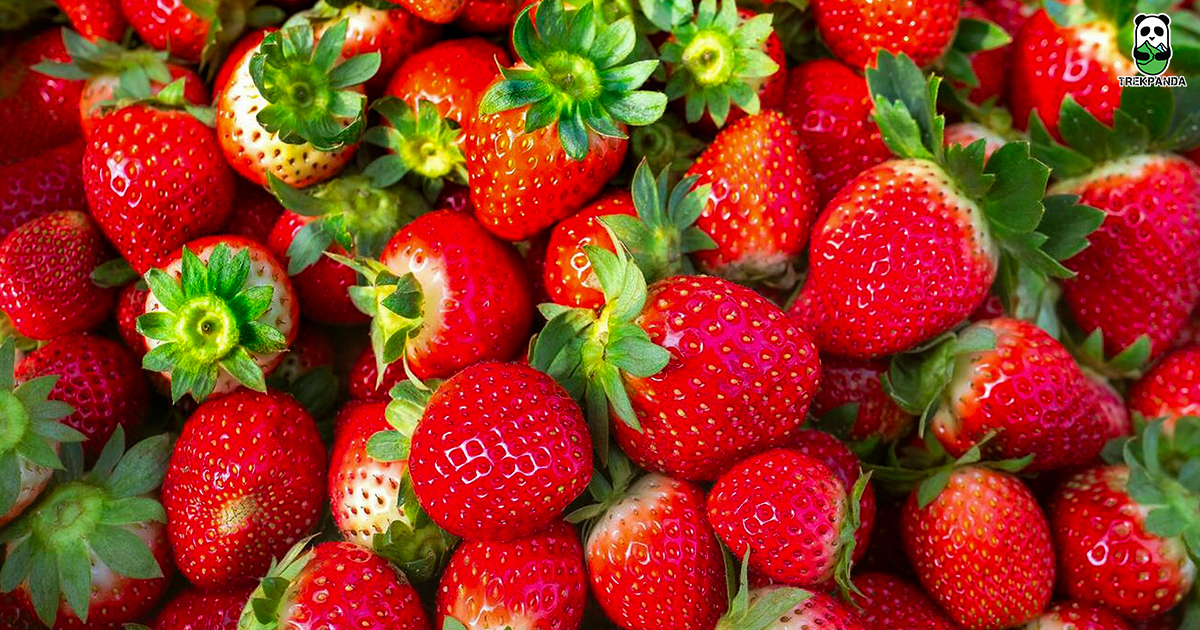
During this time, Christmas and New Year celebrations light up towns like Shillong with decorations, carol singing, and bustling street markets. But the joy does not end with the New Year. In February, the region celebrates its unique ‘Strawberry Festival’, especially in areas like Nongpoh and Sohliya, to promote the farmers who grow this luscious fruit.
Meghalaya Tourist Places to Visit in Summer
If you are planning a trip to Meghalaya in the summer, here is a list of places you simply cannot afford to miss.
- Shillong: It is the best place to visit in Meghalaya during spring and summer, offering pleasant weather and vibrant landscapes. You can visit Lady Hydari Park, Ward’s Lake, Elephant Falls, and Shillong Peak for nature views and peaceful hikes. Also, do not miss the Air Force Museum to learn about the local heritage of this place.
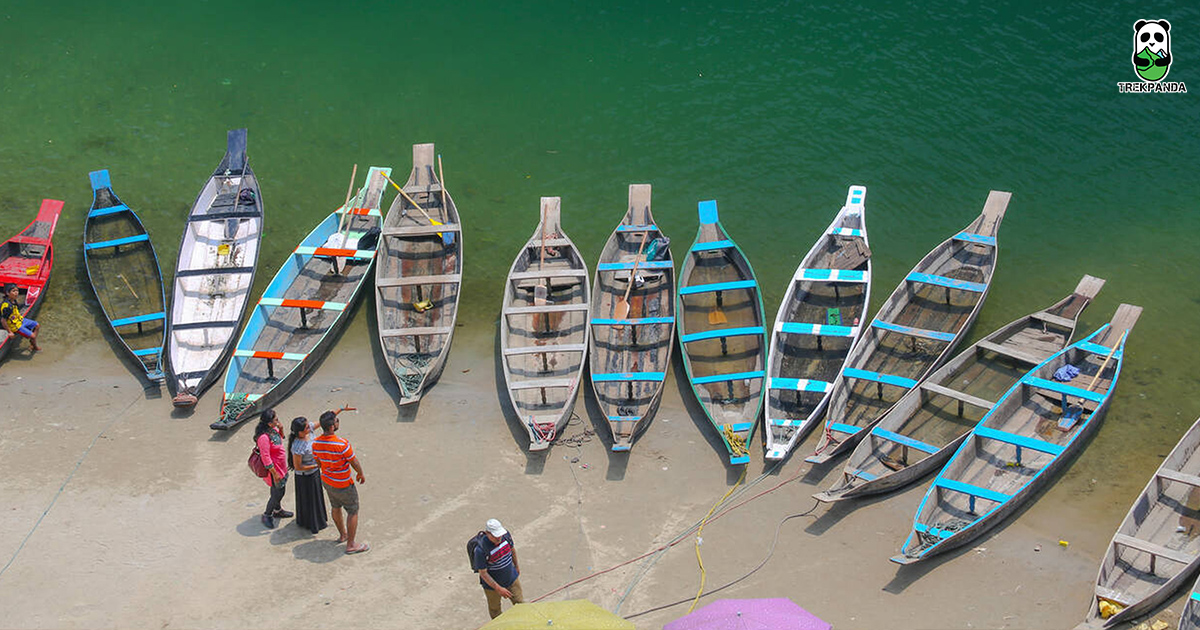
- Dawki (Umngot River): Known for the crystal-clear Umngot River, Dawki is the best Meghalaya tourist places to visit in summer when the water appears almost transparent. You can enjoy boating, capture stunning reflections in photographs, and relax with riverside picnics.
- Mawlynnong Village: Often hailed as the ‘cleanest village in Asia', Mawlynnong Village is another Meghalaya tourist place to visit during spring. Here, you see the well-kept gardens that create a fairy-tale-like atmosphere. You can walk through bamboo pathways, interact with locals, and enjoy panoramic views from the Sky Walk.
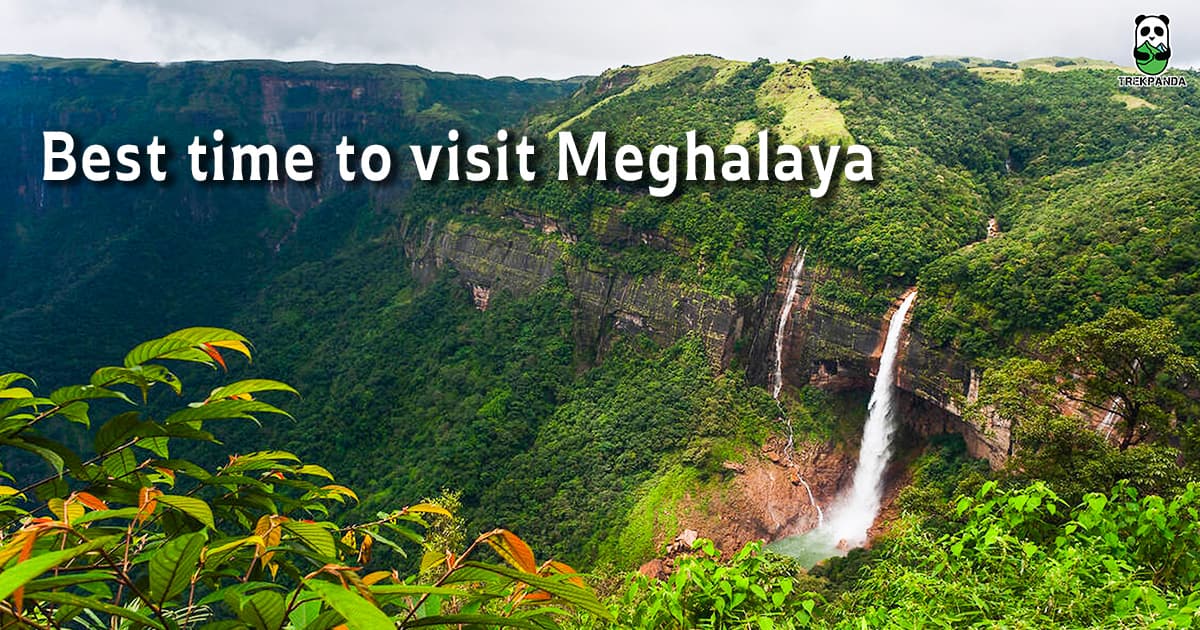
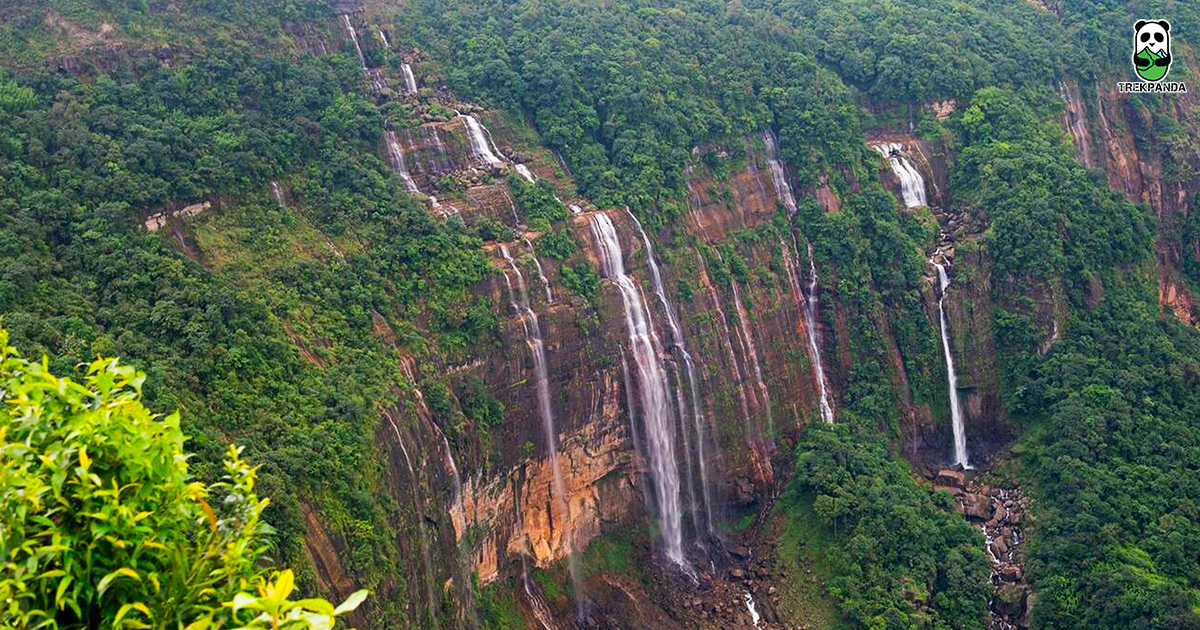
- Cherrapunji (Sohra) & Mawsynram: These two places come alive during the monsoon and make this season Meghalaya’s best time to visit. In Cherrapunji, you can see Nohkalikai Falls, Mawsmai Caves, and Seven Sisters Falls surrounded by lush greenery. Mawsynram, the wettest place on Earth, will enchant with light drizzles and misty landscapes.
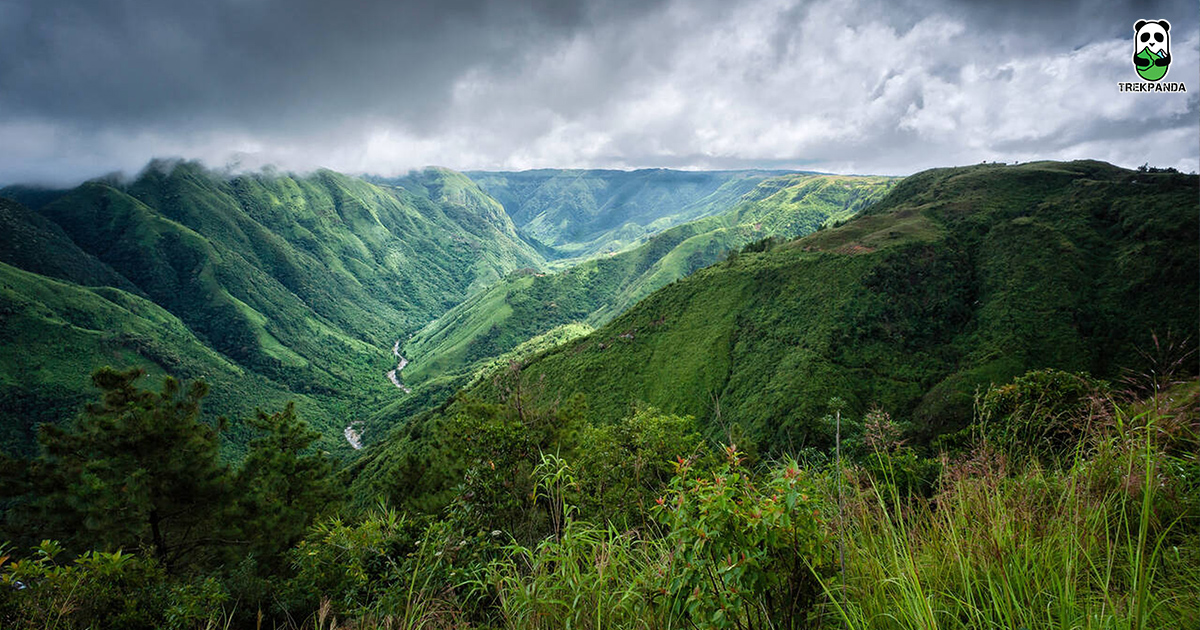
- Laitlum Canyons: Located near Shillong, Laitlum Canyons offers breathtaking panoramic views of rolling hills and deep gorges. It is best visited during summer, just before the heavy monsoon begins. Here, you can witness the sunrise or sunset, or enjoy short treks, scenic beauty, and a refreshing mountain breeze.
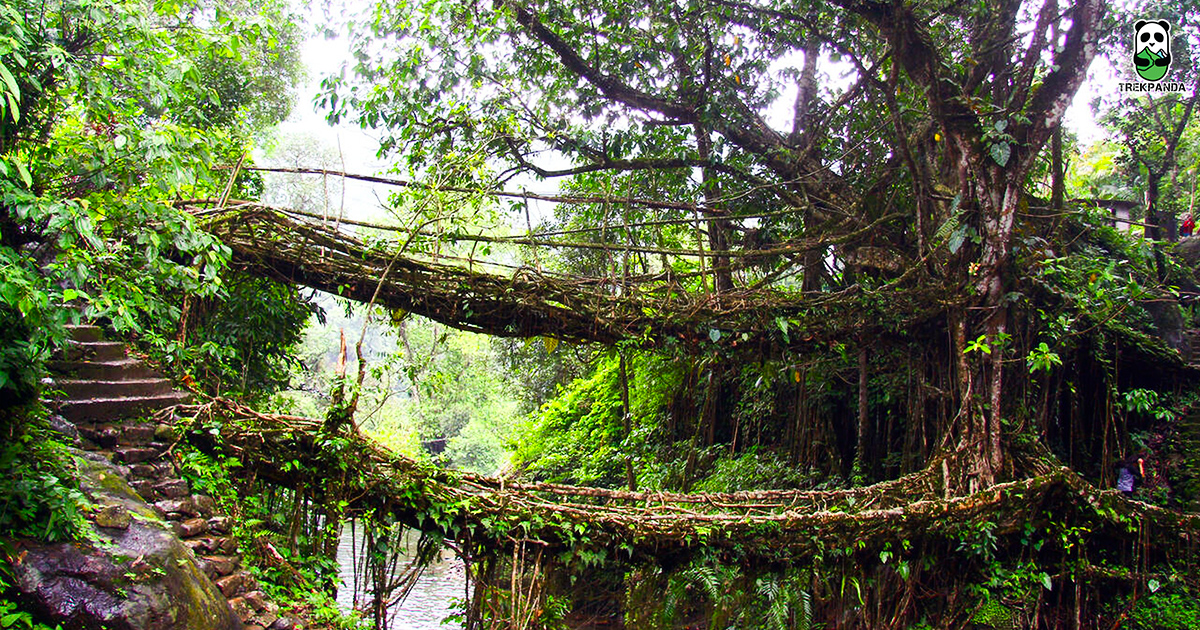
- Living Root Bridges (Nongriat): The Living Root Bridges of Nongriat are among the most iconic of Meghalaya’s tourist places, especially the famous double-decker bridge. Trekking through rain-soaked forests during the monsoon enhances the rainforest experience, with gushing streams and vibrant greenery all around.
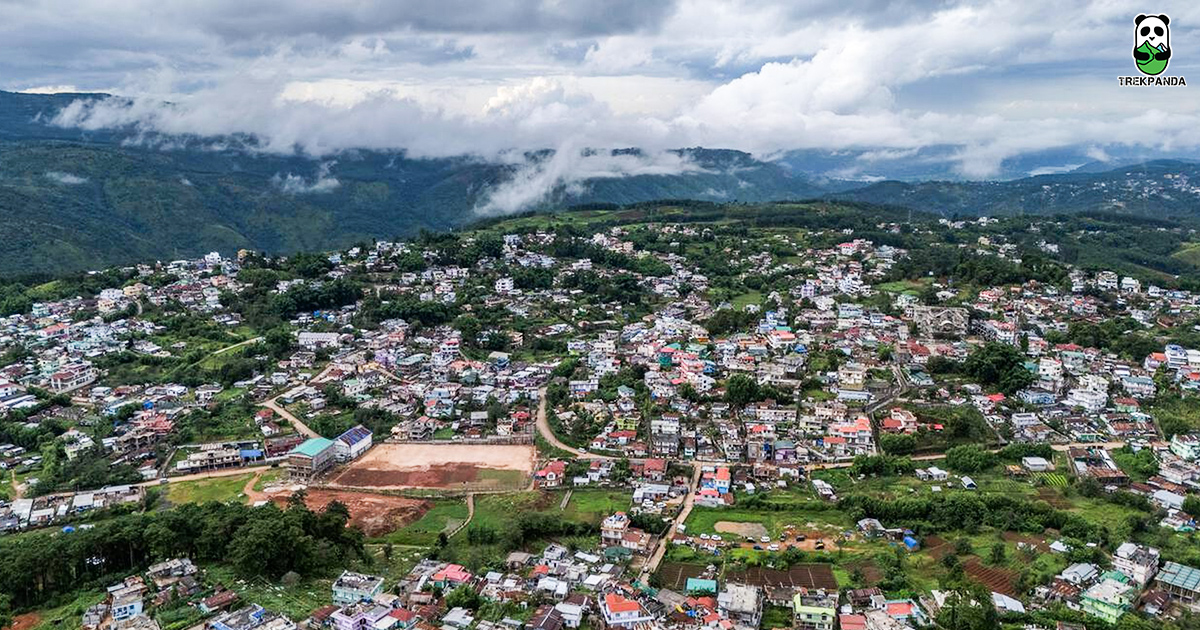
- Krang Shuri Waterfalls: Krang Shuri Waterfalls in Jaintia Hills is a hidden gem among the best places to visit in Meghalaya, known for its striking turquoise waters and surrounding lush greenery. It is best visited during the monsoon, which many consider Meghalaya’s best time to visit for waterfall lovers.
- Nongkhnum Island: Nongkhnum Island in West Khasi Hills, India’s second-largest river island, is a serene spot ideal for peaceful escapes. You can enjoy riverside strolls, scenic views, and kayaking in calm waters. Autumn, with its clear skies and pleasant weather, is Meghalaya’s best time to visit this offbeat gem.
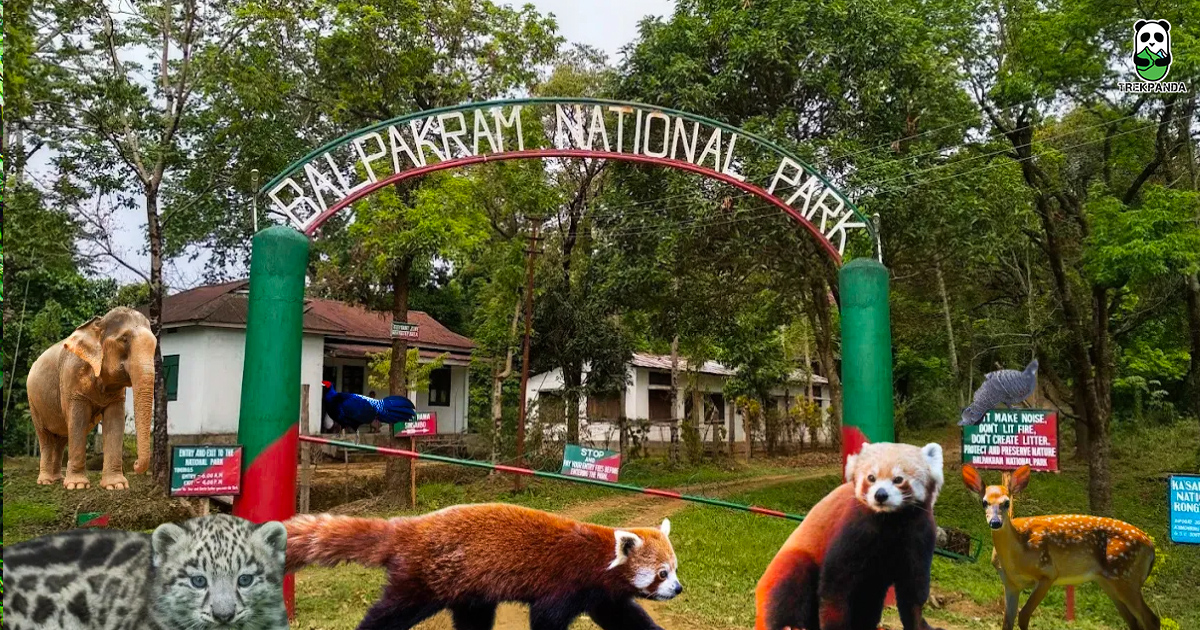
- Balpakram National Park: It is one of Meghalaya’s tourist places known for its rich biodiversity and dramatic landscapes. Located in South Garo Hills, it is home to rare flora, fauna, and deep canyons, making it a paradise for those seeking adventure beyond the usual trails. Meghalaya’s best time to visit this region is during autumn and winter, when the weather is clear and ideal for wildlife exploration and trekking.
- Jowai: Located in West Jaintia Hills, Jowai is a peaceful escape and deserves a spot among the top places to visit in Meghalaya during the winter season. You can take a scenic drive through mountain roads, visit the tranquil Thadlaskein Lake, and relax at Lalong Park nestled amidst pine trees. So, if you are wondering about Meghalaya’s best time to visit this place, winter is ideal.
- Diengiei Peak Trek: Located near Umiam Lake, Diengiei Peak is a hidden gem and among the list of Meghalaya’s tourist places to visit during winter. The crisp mountain air and clear trails make it perfect for moderate treks. You will be rewarded with sweeping views of Umiam Lake and the rolling hills beyond
Famous Foods of Meghalaya
Meghalaya is not just famous for its waterfalls, living root bridges, and misty landscapes; it also boasts a rich and distinctive culinary tradition. Mainly influenced by the three major tribes—the Khasi, Garo, and Jaintia—the food of Meghalaya is hearty, smoky, and rooted in nature.
Here are some of the most famous foods of Meghalaya that you must try during your trip.
1. Jadoh: This is the most iconic Khasi dish, loved across the state. Jadoh is a flavoursome rice dish made with red rice, pork, and local spices. Sometimes, it is cooked with chicken or fish for variation. The use of minimal oil and rich flavours makes it a must-try for every visitor.

2. Dohneiiong: Dohneiiong is another Khasi delicacy made of pork cooked with black sesame seeds. The sesame gives it a nutty, smoky flavour. Served with rice, it is a staple during festivals and family gatherings.
3. Tungrymbai: A fermented soybean dish, Tungrymbai is cooked with pork, ginger, garlic, and local spices. It is rich in protein and has a strong aroma, often enjoyed with rice during colder months. It is especially popular in Khasi and Jaintia households.
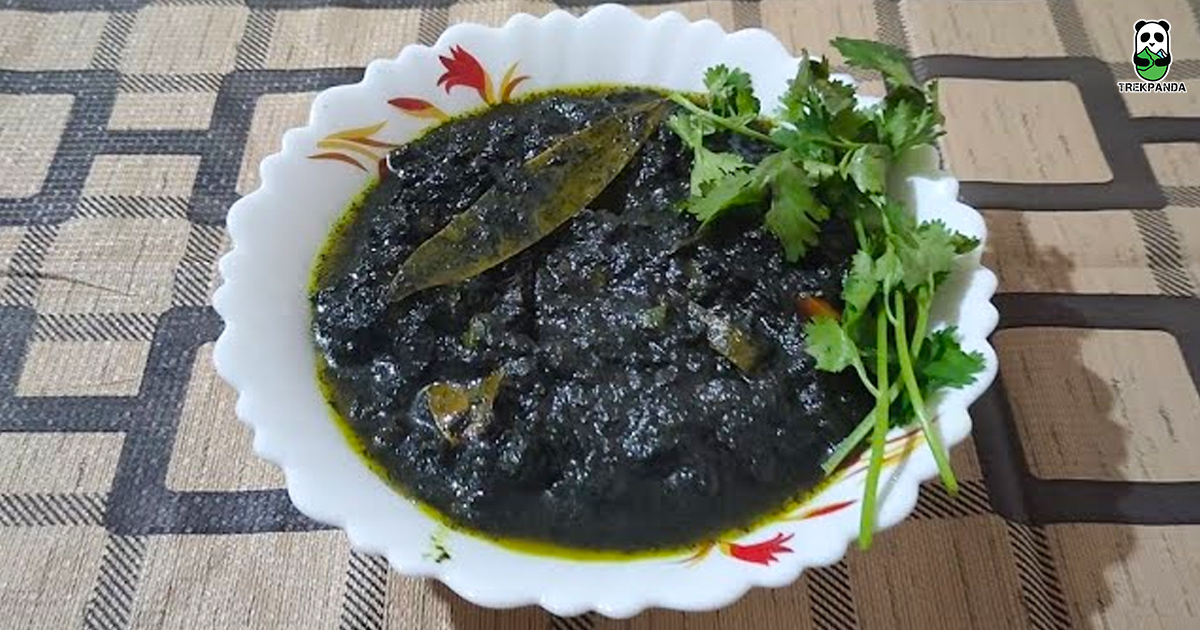
4. Pumaloi: It is a steamed rice dish made with powdered rice, typically cooked in a traditional earthen pot. Pumaloi is light, fluffy, and usually served with spicy curries or chutneys.
5. Nakham Bitchi: This is a Garo-style spicy and tangy soup made from sun-dried fish (Nakham), pepper, and chillies. It is comforting and warming, perfect for the rainy or winter season.
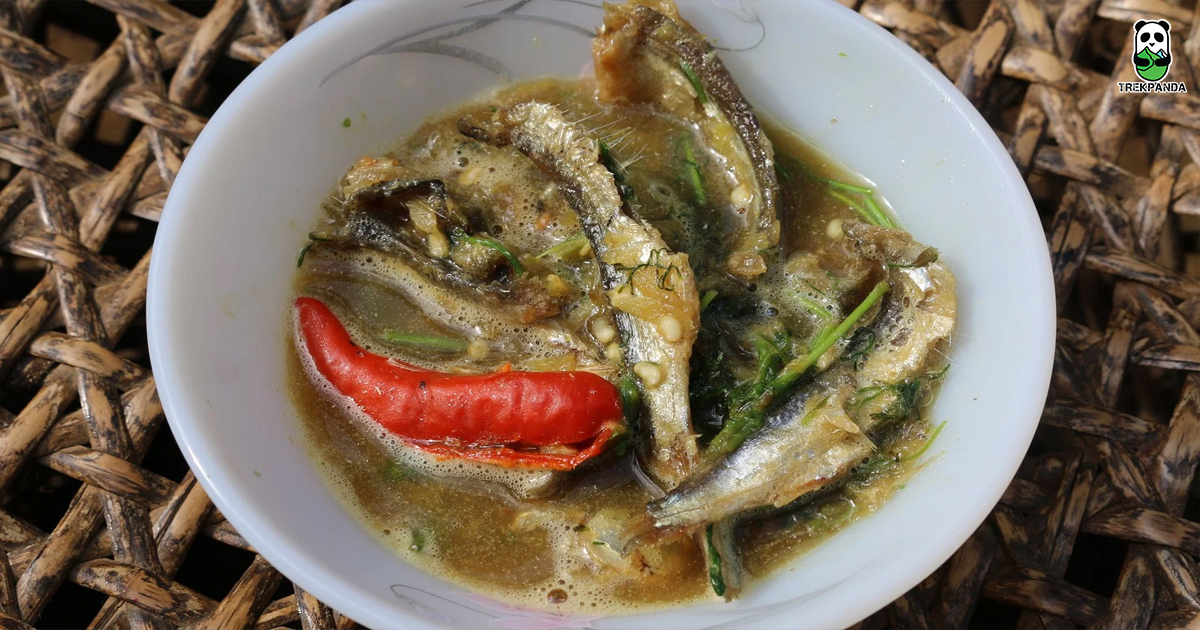
6. Minil Songa: It is a sticky rice dish from the Garo tribe. It is prepared using black sesame paste and is often served as a festive or ceremonial food.
7. Pukhlein: A sweet snack made from rice flour and jaggery, deep-fried until golden. This simple yet tasty dessert is often served with evening tea.
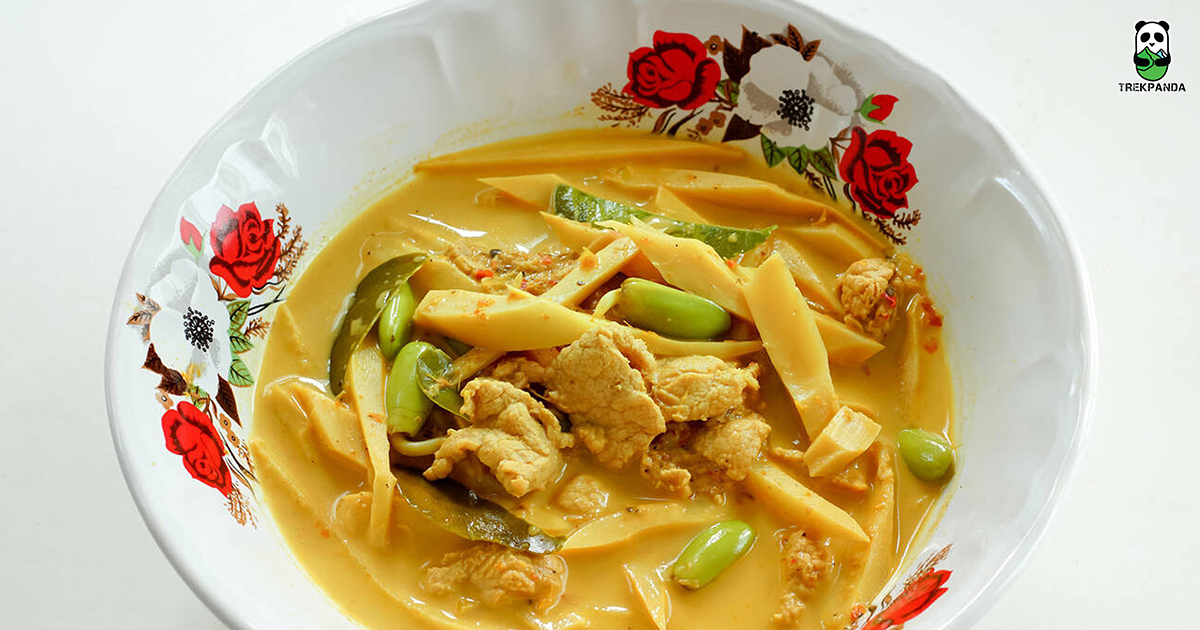
8. Bamboo Shoot Curry: Fresh or fermented bamboo shoots are widely used in Khasi and Garo kitchens. Cooked with pork or chicken, the dish is tangy, spicy, and aromatic.
How Many Days are Enough for Meghalaya?
Ideally, 5 to 7 days are enough to explore Meghalaya tourist places at a comfortable pace.
In a 5-day itinerary, you can cover popular tourist places like Shillong, Cherrapunji, Dawki, and Mawlynnong. Day trips to attractions such as Umiam Lake, Elephant Falls, Nohkalikai Falls, and the crystal-clear Umngot River are easily manageable within this schedule.
But, for those who want to explore Meghalaya more deeply, especially the offbeat gems, a 7-day trip is ideal. You can explore the double-decker Living Root Bridge in Nongriat, Laitlum Canyons, and the serene landscapes of Jowai or Balpakram National Park. This 7-day trip plan will allow you time for trekking, village walks, and enjoying the region’s slow-paced charm without rushing.
FAQs
What is the best time to visit Meghaya?
Meghalaya’s best time to visit is from October to April, when the weather is cool and skies are clear. This time is ideal for sightseeing, trekking, and enjoying natural beauty.
Which is the best month to visit Meghalaya?
If you consider the best month to visit Megalaya tourist places, then November will be the perfect month, as it offers pleasant temperatures, post-monsoon greenery, and fewer tourists. You can explore waterfalls, caves, and enjoy local festivals, like the Wangala Festival, a vibrant celebration of the Garo tribe
When should I avoid visiting Shillong?
Avoid visiting Shillong during peak monsoon months (June to August) due to heavy rainfall, frequent landslides, and transportation delays that can disrupt sightseeing and outdoor activities.
Is there any snowfall in Meghalaya during winter?
No, Meghalaya does not receive snowfall in winter. However, the temperature can drop significantly in hilly areas, especially in Shillong and Cherrapunji, with occasional frost.
What is the off-season in Meghalaya?
The off-season in Meghalaya is during the monsoon (June to September). While the landscape is lush, heavy rains can cause roadblocks and limit access to certain tourist attractions.