Are you planning to visit this famously known as the “Middle Land” and wondering what the best time to visit is to make the most of it? Then, you are at the right place! Known for its breathtaking landscapes, ancient monasteries that echo with the mantra “Om Mani Padme Hum”, and for offering amazing travel experiences. So, the best time to visit Spiti Valley depends entirely on what you want your itinerary to look like. Do you dream of a comfortable road trip with stunning landscapes, or are you someone who loves adrenaline adventure? The months from May to June are your ideal window, offering the pleasant weather perfect for first-time visitors to explore iconic destinations like Chandra Tal and Key Monastery.
From the lush, misty landscapes of the monsoon to the golden hues of autumn, each season paints Spiti Valley in a different light. So, what are you waiting for? Read this detailed travel guide on the best time to visit Spiti Valley and places to visit for a memorable experience.
Best Time To Visit Spiti Valley: Season Wise Details
Understanding when to visit Spiti Valley is not just about checking the weather forecast; it is also about aligning your itinerary with the Himalayas’ natural rhythm. The timing of your visit can make the difference between a challenging trip and a memorable journey. So, let’s check out what every season has to offer you.
Spiti Valley in Summer (March to June):
Spiti summer starts with a lingering embrace of harsh winter conditions, gradually transitions into the vibrant, fully accessible peak season. This amazing 4-month window brings the pleasant weather, which is ideal for all kinds of activities and exploration with snow-dusted landscapes. Let’s understand the best time to plan an ideal trip.
Spiti in March
March is more of a winter’s last stand and less spring as the temperatures remain predominantly around -3°C to -22°C. So, if you are planning to visit during the March months, be aware that the Manali-Kaza route is closed due to heavy snowfall on high mountain passes like Rohtang and Kunzum. The only reliable point is the Shima-Kinnaur Route.
Spiti Valley in April
April marks the beginning of the spring season, with temperatures rising from 2°C to 6°C. You can enjoy the landscape of blossoming flowers with the still-present snow-capped mountains. However, the Manali-Kaza route is still closed because of the snowfall on the passes. The Shimla-Kinnaur route is the only accessible route to reach the valley safely. One of the significant advantages of visiting during this month is the less tourist crowd compared to the peak season.
Spiti Valley in May
May brings pleasant weather with temperatures ranging from 10°C to 5°C at night. Spiti Valley in May brings the true tourist season as the Manali-Kaza route begins to open by mid to late May (dependent on snow clearance and weather, so check weather conditions). Most importantly, roads leading to high-altitude villages like Komic, Hikkim, and Langza are open so that you can explore these places as well. May is the best time to visit Spiti Valley for a honeymoon, family trip and adventure seekers to enjoy the beauty of the Spiti circuit.
Spiti Valley in June
June is the epitome of the summer season, when the actual peak season starts in Spiti Valley. The temperature ranges from 10°C to 20°C, and the gentle breeze creates an inviting atmosphere with lush green landscapes. June is the best time to visit Spiti Valley as both the routes from Manali and Shimla are easily accessible. Moreover, you can explore iconic places like Chandratal Lake and Kunzum Pass by mid-June. You can even enjoy outdoor activities like trekking, mountain biking, camping and river rafting. So, what are you waiting for? Contact us now to get your Spiti Valley itinerary as per your preferences.
Activities To Do:
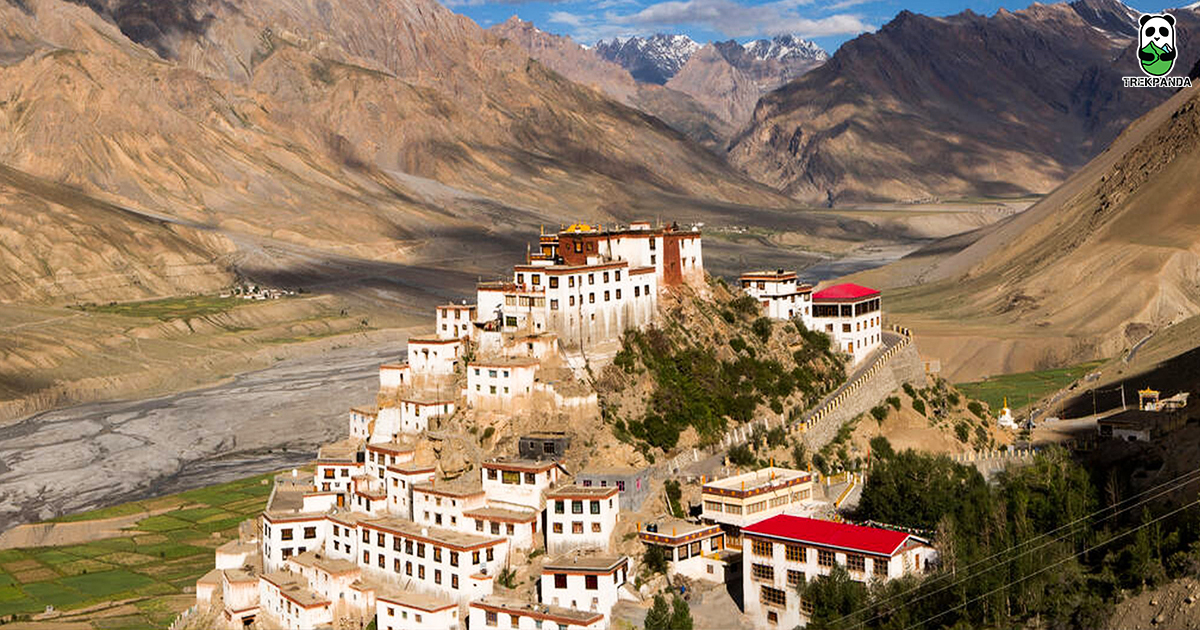
- You can explore Key Monastery, also known as Kye Gompa, perched on the hilltop at an elevation of 4,166 meters. It is one of the oldest monasteries in Spiti, offering panoramic views of the valley.
- Tabo Monastery, founded in 996 AD, is also one of the best monasteries to explore in Spiti, which is referred to as “Ajanta of the Himalayas”.
- Witness the confluence of Spiti and Pin Rivers at Dhankar Monastery. A trek to nearby Dhankar Lake is one of the popular activities to do.
- During the summer months, especially in June, you can explore the high-altitude villages like Kaza, which is the largest town in Spiti, Komic, which is the world’s highest village connected by a motorable road, Hikkim, which has the world’s highest post office and many more.
- Witness a 500-year-old naturally preserved mummy at the Gue Mummy village.
- In May and June, you can easily explore Chandratal Lake, also known as the “Moon Lake” for its crescent shape. It is a popular camping site known for its breathtaking landscape and stargazing.
- This season is also the best time to visit Spiti Valley because of its popular trekking routes like Pin Parvati Pass Trek, Kanamo Peak Trek, Dhankar Lake trek, Hampta Pass Trek and the Chandratal Lake Trek.
- Enjoy the river rafting on the Spiti River, typically available from June, which is a must-do activity.
- Stargazing and camping are also popular activities to do in the Summer season of Spiti Valley, as the clear skies offer the best views.
- The Tsheshu Fair is celebrated in June in various monasteries, where you can witness various Lamas performing Cham Dance in colorful costumes.
Spiti Valley in Monsoon (July to September):
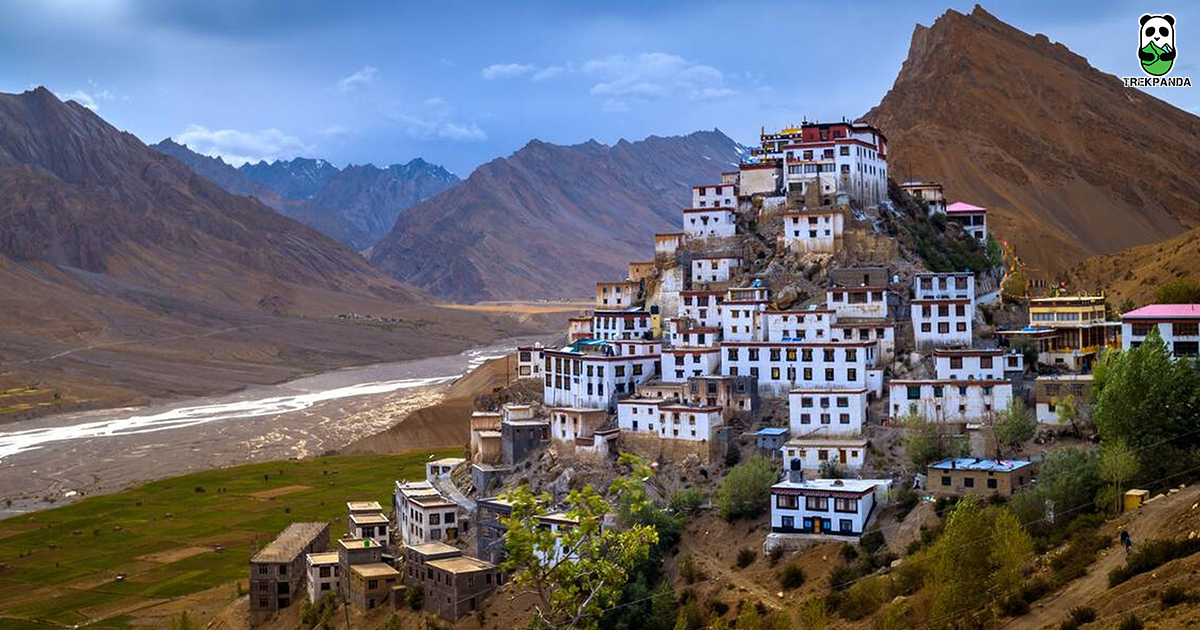
Spiti Valley, known as the cold desert, possesses a geographical characteristic that sets it apart, in that heavy rainfall doesn't reach the valley. However, this feature makes the Spiti Valley still accessible and a comparatively dry destination even during the peak Indian monsoon. But the access routes are prone to heavy rainfall, landslides, and flash floods, making it an offbeat time to visit Spiti Valley.
Spiti Valley in July
July marks the official onset of the monsoon season in the broader region. The temperatures fluctuate from -0.1°C to 11.1°C. However, the Himachal Pradesh region experiences heavy rainfall, which poses risks of landslides on the routes of Spiti Valley.
Spiti Valley in August
The monsoon season continues in August with temperatures ranging from 5°C to 25°C in Spiti Valley. There is no heavy rainfall in the valley, which makes it a dry destination. However, access roads, particularly in Kinnaur, can face weather issues and are prone to landslides.
Spiti Valley in September
In September, the temperatures begin to range from -5°C to 15°C, with clear skies perfect for stargazing and camping. September is considered the best time to visit Spiti Valley within the monsoon period because of the better road conditions of the routes and the post-monsoon lush green landscapes.
Activities To Do:
- The monsoon season is the best time to explore the monasteries of Spiti Valley like Key Monastery, Dhankar Monastery, Tabo Monastery, and Tangyud Monastery, as the ambiance becomes exceptionally peaceful with fewer crowds.
- Explore Chandratal Lake, also known as “Moon Lake,” which is easily accessible from June to mid-October.
- August is an excellent time for trekking in Spiti Valley as the trails are green and the weather is usually pleasant. However, the trekking routes can get closed depending on the real-time weather conditions, so check before planning for trekking.
- Monsoon seasons also bring a great time to spot Himalayan wildlife, especially in Pin Valley National Park.
Manali-Kaza Vs. Shimla-Kinnaur - Which Route is Safe in Monsoon Season?
The Shimla-Kinnaur route is more stable and is often the preferred option to reach Spiti Valley during the monsoon season. This route is usually open year-round. However, the Kinnaur district (especially the Malling Nala and Nako) is prone to landslides during the intense rainfall.
The Manali-Kaza route involves passing through high mountain passes like Rohtang Pass and Kunzum Pass. Rohtang Pass is open from May to October, but it gets risky in July and August due to landslides and heavy rainfall. Kunzum Pass is open from June to September/October, but can be unpredictable because of waterlogging in the monsoon. So, it is not recommended during August unless safe according to the latest road reports.
So, if you’re looking for a safer route during monsoon season, we recommend the Shimla-Kinnaur-Spiti route over the Manali route. However, it is a longer journey but much more stable and safer.
Spiti Valley in Winter (October to February):
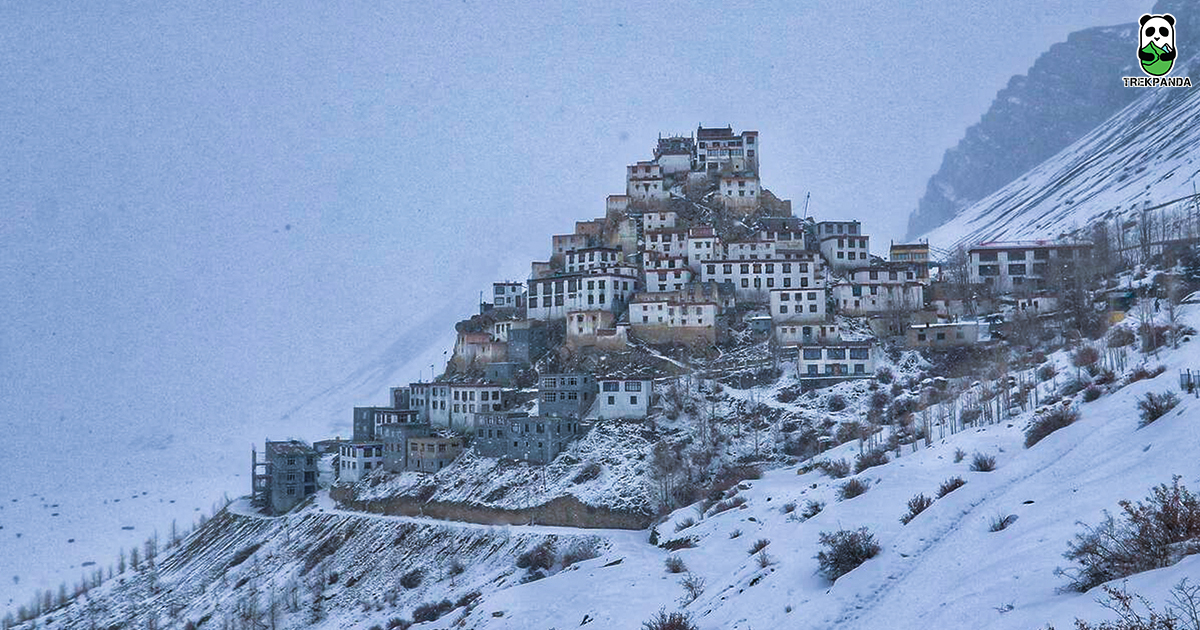
During the winter months, this high-altitude cold desert transforms from summer hues to a blanket of snow. It is the time when you can witness the snow-draped mountains and frozen rivers creating a visually stunning and soothing canvas. Here’s the month-by-month breakdown of what to expect:
Spiti Valley in October
October serves as a beautiful transition month from summer to full-fledged winters, where you will experience none to light snow coverage. The temperature ranges from 5°C to -5°C, making it a soft winter experience for you. The gradual temperature drop allows the human body more time to adjust to the high altitude and Acute Mountain Sickness.
Spiti Valley in November
By November, light to moderate snowfall becomes more common across the valley with temperatures ranging from 0°C to -10°C. If you are an adventurous person, then this is the best time to visit Spiti Valley to experience the early snow without the logistics hurdles of a winter wonderland.
Spiti Valley in December and January
December brings heavy snowfall, and temperatures drop significantly, ranging from -10°C to -25°C at night. In January, the temperatures drop to -30°C, making it officially the coldest month of the valley. If you are a first-time traveler to the Spiti Valley, then this is not the best time to visit Spiti Valley. The severity of cold makes outdoor exploration and activities difficult, and the high passes become less accessible.
Spiti Valley in February
In February, the temperatures are less extreme than in January, ranging from -12°C to -25°C at night. February is the best time to visit Spiti Valley for a reliable winter experience with much longer daylight.
Activities to Do:
- Explore the monasteries like Key monastery, Dhankar monastery, and Tabo Gompa during October to February, where you can observe traditional rituals.
- If you are an experienced trekker, then you should definitely do winter trekking in Spiti Valley, such as Langza, Hikkim and Komic villages. These villages are covered in snow, and the panoramic views make it magical.
- Witnessing frozen waterfalls such as Lingti Frozen Waterfall and rivers is a highlight of the winter trip to Spiti Valley.
- You can also enjoy snow activities like skiing, snowboarding and ice skating to experience the thrill.
- The winter months also offer you a chance to witness the elusive snow leopard. Pin Valley National Park is a prime destination for this rare and unforgettable experience.
- Experience the local festivals like Dechhang Festival, Losar Festival, Fagli festival and many more to immerse in the cultural exploration of the valley.
- With almost no light pollution during the winter months, you can witness a mesmerizing star-studded sky where the Milky Way is easily visible.
FAQs
What is the best time to visit Spiti Valley for a bike trip?
For an unforgettable bike trip to Spiti Valley, the best time to visit Spiti Valley is from late May to early October. This window is when the high-mountain passes like Kunzum Pass and Rohtang Pass are open, which allows you to complete the full Spiti circuit. September is often considered ideal as monsoon rains have reduced, leaving clear skies and stunning landscapes perfect for photography and exploration.
Is Chandratal Lake open in winter?
No, Chandratal Lake is completely inaccessible during the winter months due to heavy snowfall. The high-altitude passes that lead to the lake, including Kunzum Pass, are closed from late October to late May or June, depending on the road's clearance. The lake itself freezes over, and the surrounding area gets blanketed in deep snow.
What are the best places to visit in Spiti Valley?
The best places to visit in Spiti Valley include Key Monastery, Chandratal Lake, Komic, Hikkim, Dhankar Monastery, Tabo, Pin Valley National Park, Kaza, Kunzum Pass, Chicham Bridge and many more. Just reach out to us today and get your Spiti Valley itinerary with all the places to explore.