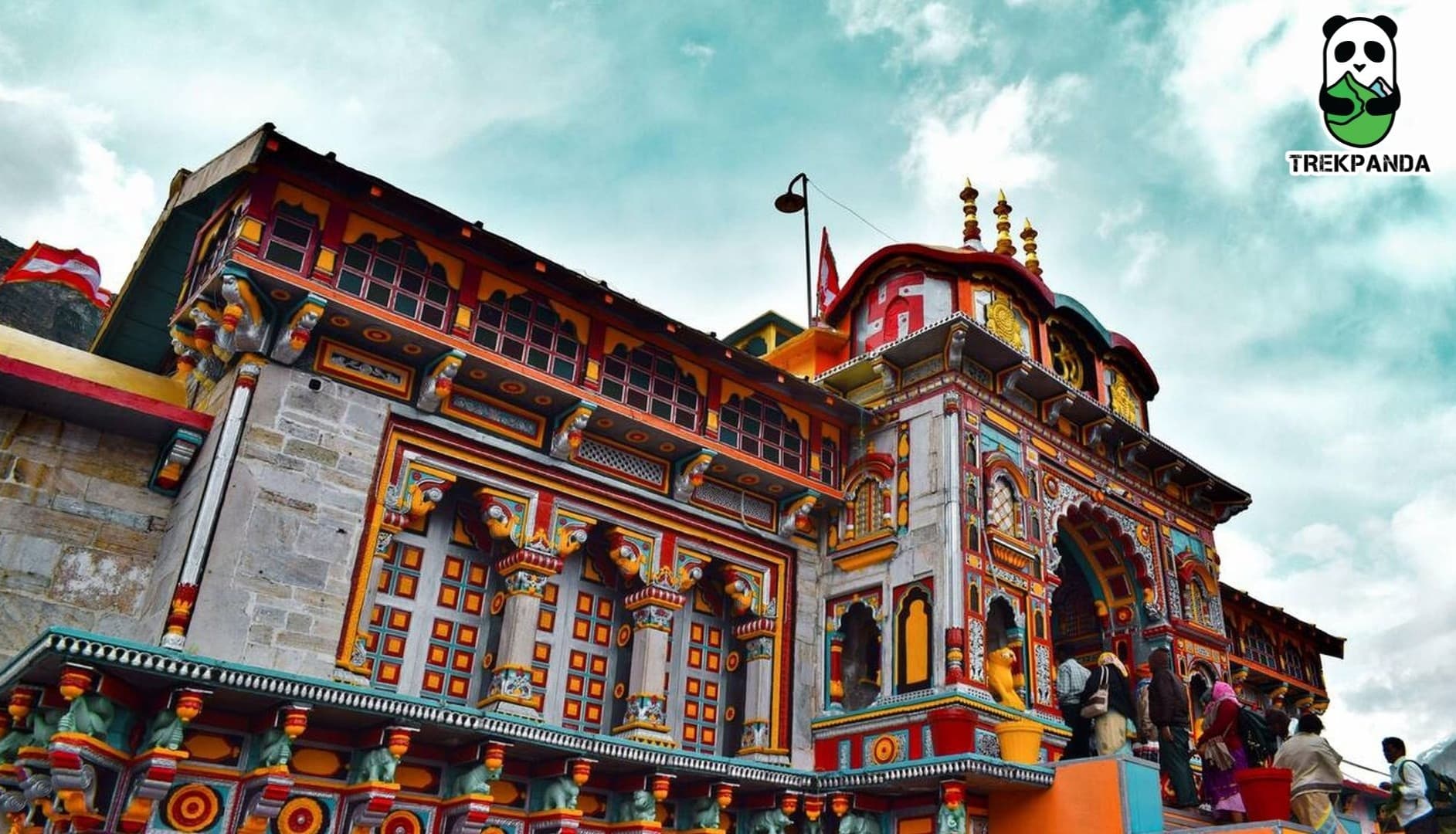
How to Visit Badrinath Temple from Delhi?
Many pilgrims want Badrinath darshan without turning it into a week-long trip. They have already seen Haridwar and Rishikesh, or they simply have a few days of leave. For them, a practical option is a four-day road journey from Delhi that skips stays in Haridwar and Rishikesh and uses two well-chosen overnight stops: Rudraprayag and Badrinath itself.
This guide walks through that plan day by day. It covers why the stopovers matter, what you can see on the way, and how to fit in Mana village and the sights around the temple without rushing darshan.
The temple is open for about six months a year. In 2026 its portals opened on 23 April and closed for winter on 16 November. The opening date for 2027 will be announced on Basant Panchami, so fix your dates only after that.
The Plan at a Glance
- Duration: 3 nights, 4 days, Delhi to Delhi
- Overnight stops: Rudraprayag, Badrinath, Rudraprayag
- Distance: about 520 km each way; roughly 370 km to Rudraprayag and 150 km from there to Badrinath
- Mode: private car with a driver experienced on hill roads
- Skipped: overnight stays in Haridwar and Rishikesh
- Suits: travellers who can handle early starts and long drives, and whose main purpose is darshan
Getting There: Why Road Works Best for This Plan
Badrinath has no airport or railway station. Trains and flights from Delhi only take you as far as Haridwar, Rishikesh or Dehradun, and the 300 km hill drive still remains. For a four-day trip, a private car from Delhi is the simplest choice: no connections, no waiting for buses, and you can stop whenever you need to. Travellers who cannot manage long road journeys can look at charter helicopters from Dehradun, which run during the yatra season but depend on weather.
The road route runs Delhi – Haridwar – Rishikesh – Devprayag – Srinagar – Rudraprayag – Karnaprayag – Nandprayag – Chamoli – Joshimath – Badrinath.
Why the Stopovers Matter
The overnight stops decide whether four days is enough. Most longer itineraries spend the first night in Haridwar or Rishikesh, only about 230 km from Delhi. That leaves the entire 300 km hill stretch for day two, which is too much to drive and still have darshan the same day.
Travel Vaidya, a Dehradun-based Char Dham operator that has arranged Badrinath trips for over ten years, builds its shorter Delhi itineraries around a different first stop: Rudraprayag. Driving past Haridwar and Rishikesh on day one covers about 70% of the distance, so the second day starts with only around 150 km of hill road.
Each stop has a clear job:
- Rudraprayag (night 1): It sits where the Alaknanda meets the Mandakini, past the plains traffic and the busiest stretch of the hill road. It has a good choice of hotels and puts Badrinath within reach by early afternoon the next day.
- Badrinath (night 2): Staying at the temple town gives you evening darshan on arrival, a second chance at darshan the next morning, and time for Mana village without driving the narrow upper road after dark.
- Rudraprayag (night 3): Stopping here on the way back splits the return almost evenly, so the last day is a long but manageable drive to Delhi.
The 4-Day Itinerary
Day 1: Delhi to Rudraprayag (about 370 km, 11–12 hours)
- Leave Delhi by 4 or 5 am to get through the plains before the traffic builds. You will pass Haridwar and Rishikesh by mid-morning, and the hill road begins after Rishikesh.
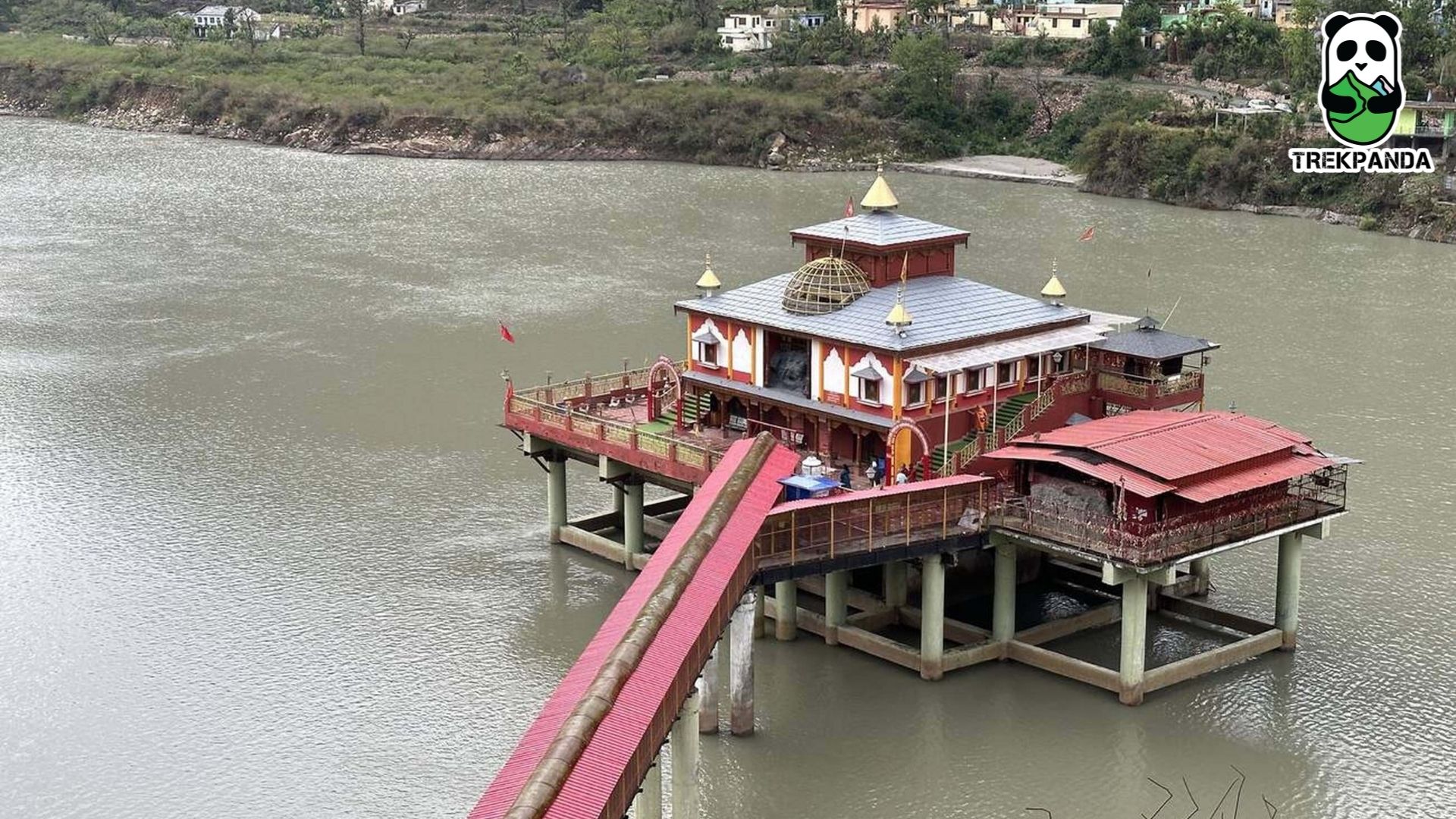
- Stop at Devprayag, where the Alaknanda and Bhagirathi meet and take the name Ganga. The confluence can be seen from the highway, and the ancient Raghunath temple stands above it. Have lunch around Srinagar (Garhwal). About 15 km past Srinagar is Dhari Devi temple at Kalyasaur. It stands on a platform in the Alaknanda, and many pilgrims stop here because the goddess is regarded as the protector of the Char Dham.
- Reach Rudraprayag by evening. If there is light and energy left, visit the confluence, or Koteshwar Mahadev, a cave temple of Lord Shiva about 3 km from town.
Day 2: Rudraprayag to Badrinath (about 150 km, 5–6 hours)
- Start by 6 am. The road follows the Alaknanda past Karnaprayag, where it meets the Pindar, and Nandprayag, where it meets the Nandakini. These are two more of the five sacred confluences.
- At Joshimath, a short stop at Narsingh temple is worthwhile. This is where Badri Vishal is worshipped during the winter months. About 10 km further is Vishnuprayag, the last of the five prayags, where the Alaknanda meets the Dhauliganga. The road then passes Govindghat, the base for Hemkund Sahib and the Valley of Flowers, and Pandukeshwar, home of the Yogadhyan Badri temple, one of the Panch Badri shrines. Hanuman Chatti, the last stop before Badrinath, has a temple linked to the legend of Hanuman humbling Bhima.
- The road beyond Joshimath is narrow and steep, and traffic on parts of it can be regulated. Check current timings with your driver so you are not held up.
- Reach Badrinath by early afternoon, check in and rest. Take a dip in Tapt Kund, the hot spring below the temple, and join the evening darshan and aarti. If you arrive early and feel well, you can visit Mana village the same afternoon.
Day 3: Badrinath to Rudraprayag (about 150 km, 5–6 hours)
- Rise early for morning darshan, when queues are usually shorter. Then visit Mana village, if you did not go the day before, and the sights around Badrinath. Aim to leave by late morning.
- On the way down, stop at any of the places you passed on day two: Hanuman Chatti, Pandukeshwar, Vishnuprayag or Narsingh temple in Joshimath. Reach Rudraprayag by evening.
Day 4: Rudraprayag to Delhi (about 370 km, 11–12 hours)
- Leave by 5 or 6 am. If you missed Dhari Devi or Devprayag on the way up, this is the time to stop. Expect to reach Delhi by afternoon or evening, depending on traffic.
- In and Around Badrinath
A night in Badrinath gives you time for more than the main temple. These sights are close together and easy to cover in a few hours:
- Tapt Kund and Narad Kund: Hot springs below the temple, where most pilgrims bathe before darshan.
- Brahma Kapal: A flat rock on the Alaknanda where families perform shraddh rituals for their ancestors.
- Mata Murti temple: On the road towards Mana, dedicated to the mother of Nar and Narayan. Its annual fair draws pilgrims from across the region.
- Charan Paduka: A rock with a footprint believed to be Lord Vishnu's, reached by a walk of about 3.5 km towards Mana.
- Neelkanth peak: The snow peak behind the temple. It is best seen in the early morning light.
Mana Village
Mana lies about 3 km from Badrinath and is marked by a signboard that calls it the first Indian village on the road to the Tibet border. It was long known as the last village before the border. It takes about two hours to see, and it fits easily into either afternoon or morning of your Badrinath stay.
- Vyas Gufa: The cave where sage Ved Vyas is believed to have composed the Mahabharata.
- Ganesh Gufa: A few metres from Vyas Gufa, associated with Lord Ganesha, who is said to have written the epic as Vyas narrated it.
- Bhim Pul: A natural rock bridge over the Saraswati, believed to have been placed by Bhima for Draupadi to cross. The river roars out from under the rocks here before joining the Alaknanda nearby.
- The village lanes: Local women sell hand-knitted shawls, caps and socks, and small tea stalls near Bhim Pul are a popular stop.
Vasudhara Falls is a trek of about 6 km each way from Mana. It needs most of a day at high altitude, so it does not fit a four-day plan. Keep it for a longer visit.
Is the 4-Day Plan Right for You?
This plan works well for working couples, repeat pilgrims who have already visited Haridwar and Rishikesh, and anyone fit enough for two long driving days. It is not a relaxed holiday: most of the four days are on the road, and there is little room for extra stops.
It may not suit very elderly travellers, families with small children or anyone who wants to attend the Ganga aarti at Har Ki Pauri. For them, five or six days with a night in Haridwar or Rishikesh is more comfortable.
If you are flying into Delhi, arrive the evening before so you can leave at dawn. Traffic or a road closure can delay your return, so do not book a tight evening flight on day four without discussing it with whoever is arranging your trip.
Before You Go
- Register for the yatra. Registration is mandatory and free. Register at registrationandtouristcare.uk.gov.in or on the Tourist Care Uttarakhand app, for the date you will actually travel, and add your vehicle's details. Pilgrims without valid registration have been turned back on the way to Badrinath.
- Know the temple timings. The temple opens before dawn for the Maha Abhishek, which needs advance booking. General darshan runs through the morning, pauses in the afternoon and resumes in the evening until about 9 pm. The temple committee can change these timings with the crowds.
- Pick your month. May and June are the busiest months. July and August bring monsoon landslides, which make a tight four-day plan risky. September and October are often the best balance of clear weather and smaller crowds.
Practical Tips
- Pack warm clothes. Badrinath is at 3,133 m and cold in the mornings and evenings, even in summer.
- Take it easy on arrival. Rest after reaching Badrinath, drink water and avoid alcohol. Anyone with a heart or lung condition should consult a doctor before travelling.
- Prepare for the bends. Eat light on driving days and carry motion sickness medicine.
- Carry cash and offline copies. ATMs and mobile signal can be unreliable in the upper hills. Save your registration slip offline.
- Keep the driving to daylight. Plan each day so the hill stretches end before dark.
Making Four Days Work
A four-day Badrinath trip from Delhi depends on three things: an early start, the right overnight stops and realistic expectations. Spend the first night in Rudraprayag instead of Haridwar or Rishikesh, stay one night in Badrinath, and use the return drive for the stops you passed on the way up. You will have time for darshan, Mana village and the main sights along the Alaknanda, and still be back in Delhi on day four.