Ever thought about being somewhere between the clouds where emerald peaks touch the sky and the only sound you hear is prayer flags fluttering in the breeze? Otherwise, you need to get to the Kingdom of Bhutan as your next journey, in spring or autumn with the beautiful colours, and discover the Last Shangri-La. It will be one of those journeys that rattle your heart and linger forever in your memory.
Bhutan: As the morning fog rises on the Paro Valley and the first rays of the golden sun hit the spires of ancient monasteries that dot this magical Kingdom, Bhutan reveals a world where happiness is a measure of success and nature remains unspoilt. If you are seeking to unplug from the digital world and witness a culture that has a rhythm with the mountains, the the Bhutan tour package expedition with TrekPanda must be top of your bucket list.
Short Information about Bhutan
Bhutan is the land of the thunder dragon, one of the most isolated kingdoms of the Himalayas sandwiched between India and China. In addition to its breathtaking scenery, it is a world leader in conservation and the only carbon-negative country in the world. Tiger’s Nest, the legendary cliffside monastery, and magical landscapes of the Phobjikha Valley are just some of the attractions of this rare wildlife and ancient traditions preserve.
The Bhutan experience — a peek into an ongoing legacy. The landscape is surreal and deeply peaceful, whether you are wandering through the Dzongs of Punakha that have the air of a castle or having butter tea with a villager in an isolated village. Well, you know what makes Bhutan, Bhutan? That is its dedication towards low-impact, high-value tourism, which allows maintaining low numbers of people on the trails, and the environment remains unspoiled for generations to come.
Timing — The Seasonal Attraction of Bhutan
Selecting the right season to go to Bhutan is very important because the scenery changes quickly along with the months. Though Bhutan is a beautiful all-season destination, there are two well-defined and distinguish themselves clearly in describing the annual two best visits Golden Window full of stunning view and pleasant trekking conditions.
Spring (March to May)
This is by far seen to be the most beautiful time to visit. Birds chirp, colours bloom, and the valley erupts in a frenzy of colour as winter recedes. The Rhododendrons are in full bloom; whole hillsides draped in hues of pink, red and white. Fall, with its brisk weather, blue skies, and cool temperatures, is ideal for long hikes. Spring is the peak time of the year if you wish to witness the celebrated festival in Paro, Paro Tshechu.
Autumn (September to November)
Autumn signals the shunning of the monsoon rains, and thus the clearest months. You get to enjoy clean air, with the views of Himalayan giants such as Gangkhar Puensum. Travel time: The valleys take on a golden colour as the rice harvest gets underway and the weather is settled, which makes this the prime time for high-altitude trekking. This is also the time for the Black-Necked Cranes where they migrate to Phobjikha Valley.
Winter (December – February)
Though cold, winter is for those who can stand the cold, sunny days and snow-dusted landscapes. The light is super clear and there are next to no people around so it is the perfect time for photos. Lower altitude lower cities like Punakha and Wangdue Phodrang can also be enjoyed without the typical number of visitors.
Bhutan Event and Festival Details
No visit to Bhutan is complete without attending a Tshechu, which is a religious festival where masked dancers reenact times-old tales of good conquering evil. These occasions are well-attended, high-volume and have a spiritual flavour to them.
Paro Tshechu (Spring) —
one of the largest, where the unfurling of a giant silk Thangka (scroll) said to wipe the sins of all who witness it.
Worshippers in their Gho and the Kira, gather from all over the country for Thimphu Tshechu (Autumn), which takes place in the capital city.
Punakha Domche: A more unique festival recreating a 17th-century battle scene set against the backdrop of the beautiful Punakha Dzong, probably the most beautiful building in Bhutan.
So how much does the Bhutan expedition cost [...+++] Sustainable Development Fee
Bhutan differs from most countries as it uses unique pricing structures to protect its environment. Visitors are required to pay a Sustainable Development Fee (SDF) which goes towards providing free healthcare, education and infrastructure to the people of Bhutan.
Currently, the SDF for Indian nationals for 2026 are around Rs 1,200 per person per night which is higher for international tourists. The total package cost while booking with TrekPanda is generally between Rs 45,000 to Rs 85,000 based on duration (generally between 6 to 10 days) and inclusions. The price normally includes your 3-star hotel, a private car with a driver, a professional English-speaking tour guide, all meals, and entrance to monuments.
Bhutan Itinerary with TrekPanda
TrekPanda has a specially curated "Thunder Dragon" itinerary that combines culture-blending with adventure-packed physical work out.
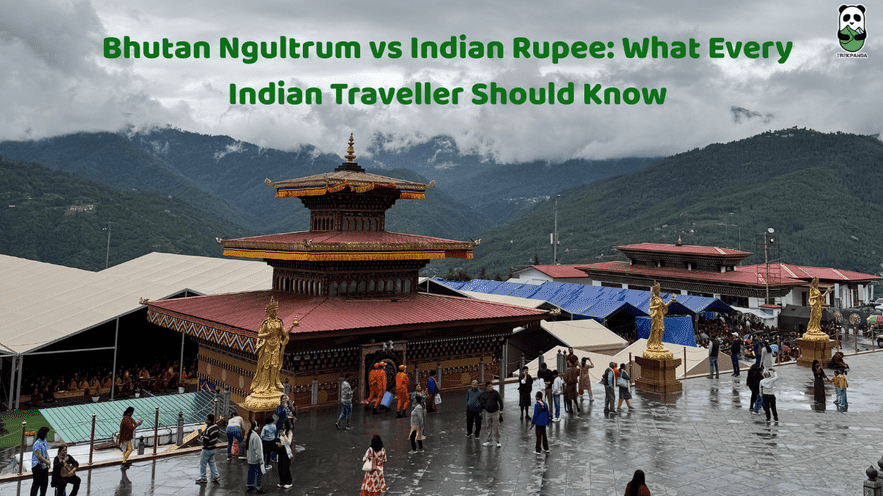
- Day 1: Landing in Paro & Transfer to Thimphu Returning from a mind-boggling flight over the highest point on the planet, you greet your guide and head towards the capital. Visit Memorial Chorten & the Buddha Dordenma, large golden statue standing above the valley.
- Day 2: Thimphu Exploration. Explore the Folk Heritage Museum, the Textile Museum, and the Motithang Takin Preserve to see the national animal of Bhutan. Wrap up your day with a stroll through the crafts bazaar.
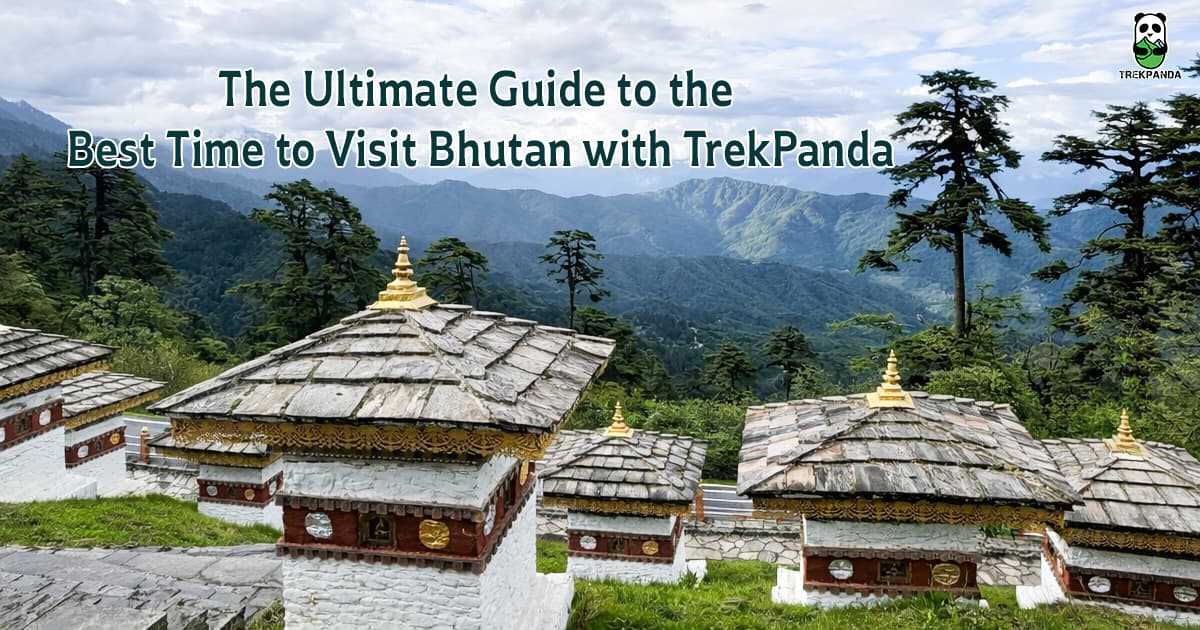
- Day 03: Drive to Punakha from Thimphu (Through Dochula Pass) Visit the Dochula Pass (3,100 meters) and explore the 108 memorial chortens and a glimpse of the snow-tipped Himalayas. Explore the Chimi Lhakhang, or the Temple of Fertility.
- Day 4: Punakha Sightseeing. Visit the picturesque Punakha Dzong (the most beautiful palace decorated with Tibetan Wall Painting), located at the confluence of two rivers, and walk across Bhutan's longest suspension bridge.
- Day 5: Transfer to Paro & Local Walk Back to Paro, visit Rinpung Dzong. In the evening, experience the national sport of Bhutan — archery
- Day 6: The Tiger’s Nest Hike. The highlight of the trip. The path gradually ascends until you arrive at the Paro Taktsang monastery, 900m above the valley floor.
- Day 7: Departure. Leave the mountains behind and head to the airport for your return flight.
Important Tips for Bhutan
- Dress Code: Full sleeve shirts & long pants are required to enter Dzongs and monasteries. Headwear must be removed.
- Responsible travel: No smoking in public places and plastic is not welcome
- Currency: Bhutanese Ngultrum (at par with the Indian Rupee) Indian currency is taken everywhere but larger notes (over Rs 500) can be occasionally hard to pay with.
- Motion Sickness: Bhutan has winding roads and is mountainous; this may result in motion sickness; thus, if you are the type that tends to get motion sickness, please prepare medication for it.
FAQs About Traveling to Bhutan
1. Do Indian citizens need a visa?
Visa exempt but Entry Permit still needed for Indian nationals. One can register from the online portal or at border points with a Passport or Voter ID.
2. Can I travel solo in Bhutan?
Bhutanese laws state that you cannot travel the entirety within the country independently (to ensure the safeguarding and integrity of cultural sites) so whilst you can go solo, you will have a licensed guide accompanying you for the bulk of your experience. If you go with an organizer such as TrekPanda, booking for a trip is easy.
3. What is Bhutanese cuisine like?
The native food is known for chilies and cheese. National Dish Ema Datshi National Dish Ema Datshi but most hotels will also have Indian food, as well as Chinese and Continental to satisfy every palate.
4. How hard is the hike to Tiger's Nest?
This is a 4 to 5 hour round-trip moderate trek. You don't need any skills, but a degree of fitness is advisable because of the altitude.